
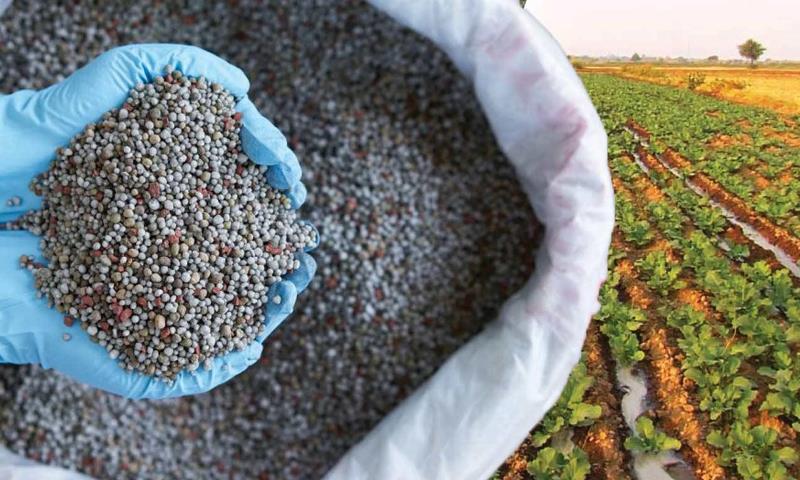
India is set to increase fertilizer imports from Indonesia as part of broader efforts to secure essential agricultural inputs ahead of upcoming planting seasons. The move comes as New Delhi seeks to diversify sourcing channels, stabilize domestic supplies, and shield farmers from global price volatility.
Indonesia, a major producer of several fertilizer raw materials and finished products, has reportedly been in discussions to export significant volumes to India along with other international buyers. For India, the additional supply could help strengthen inventories of key nutrients used across major crop cycles, especially during periods of high seasonal demand.
The planned imports are expected to support the government’s objective of ensuring timely fertilizer availability at affordable prices. Reliable supply is particularly important for India’s food security strategy, as fertilizer shortages or price spikes can affect crop yields and farm incomes.
Market participants say the deal may also deepen trade ties between the two countries while improving supply chain resilience in Asia. Lower freight times compared with some distant suppliers could offer logistical advantages and faster replenishment for Indian importers.
Analysts note that final volumes, pricing, and delivery schedules will depend on commercial negotiations and domestic demand trends. However, the development reflects India’s continued focus on securing critical commodities through diversified global partnerships.