
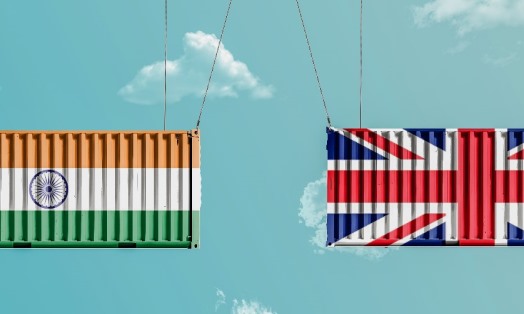
The India–UK trade pact is expected to significantly boost agricultural and automotive exports by reducing tariffs and improving market access, according to industry experts. The agreement is seen as a major step toward strengthening bilateral trade and creating new opportunities for Indian exporters in one of their key overseas markets.
Under the pact, lower import duties on a wide range of products are expected to enhance the competitiveness of Indian goods in the UK. Agricultural products, including processed foods, spices, tea, rice, fruits, and marine products, are likely to benefit from improved access, enabling exporters to expand their presence in the British market.
The automotive sector is also expected to gain from the agreement through reduced tariffs on vehicles and auto components. Indian manufacturers could benefit from increased exports of passenger vehicles, commercial vehicles, electric vehicle components, and engineering products, while deeper collaboration between companies in both countries may encourage investment and technology transfer.
Experts believe the trade pact will help diversify India’s export basket and strengthen supply chain integration between the two economies. Improved customs procedures, streamlined regulatory frameworks, and greater market access are expected to reduce trade barriers and facilitate faster movement of goods.
The agreement is also anticipated to support small and medium-sized enterprises (SMEs), which account for a significant share of India’s exports. Easier access to the UK market could enable these businesses to expand internationally and tap into growing demand for high-quality manufactured and agricultural products.
Beyond trade in goods, the pact is expected to encourage cooperation in logistics, services, innovation, and sustainable manufacturing. Industry observers believe the agreement will strengthen long-term economic ties between India and the UK, enhance bilateral trade volumes, and create new opportunities for exporters across multiple sectors.