
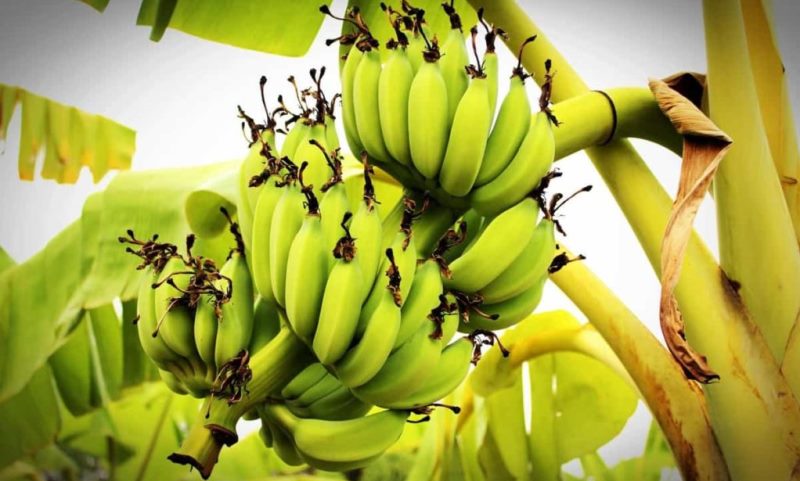
India’s banana export trade is witnessing an unusual October peak, highlighting the importance of seasonal harvest patterns, overseas demand and efficient supply-chain management in the country’s agricultural export sector.
India produces bananas throughout the year, with harvesting periods varying across major producing states. According to the Agricultural and Processed Food Products Export Development Authority (APEDA), Gujarat’s peak banana harvesting season runs from September to November, while several other states maintain year-round production. This regional variation helps sustain export availability beyond traditional peak periods.
Major overseas markets for Indian bananas include the United Arab Emirates, Oman, Saudi Arabia, Iran and Nepal. Exporters also see opportunities to expand shipments to additional international markets as distribution networks and export capabilities develop.
The unusual October peak could create opportunities for farmers, exporters, packaging companies and freight operators. However, maintaining consistent fruit quality, suitable packaging, temperature-controlled handling and timely transportation remains essential because bananas are highly perishable.
Sea freight can help exporters reduce transportation costs for suitable long-distance shipments, while road and air cargo serve other markets and delivery requirements. Efficient coordination between farms, packhouses, transport operators and ports is therefore critical to preserving product quality and meeting delivery schedules.
The October trend also underlines the need for exporters to monitor harvest availability, international demand and shipping schedules closely. Better post-harvest infrastructure and reliable logistics could help Indian exporters capture seasonal opportunities and strengthen the country’s position in the global fresh-fruit trade.