
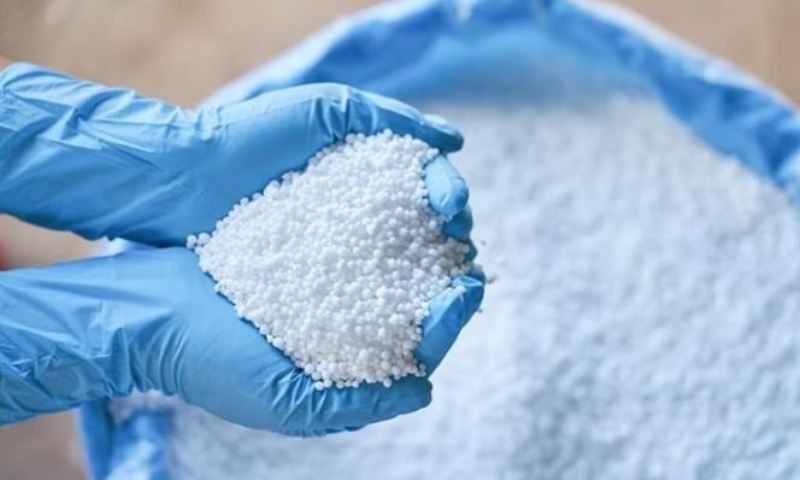
India’s urea import prices fell to a 15-month low in September 2026, offering some relief to the government’s fertiliser subsidy budget. However, higher prices of diammonium phosphate (DAP), muriate of potash (MOP) and sulphur could offset the savings and push the overall subsidy burden higher.
According to a report published on October 18, landed urea import prices declined to around $392 per tonne in September, down nearly 60% from the peak of $947 per tonne in May. Improved global supplies and diversified sourcing helped ease prices after significant disruptions earlier in the year.
Despite the decline in urea prices, the government’s fertiliser subsidy expenditure is expected to remain under pressure. Industry sources estimate that the total subsidy bill could exceed the ₹2.17 lakh crore spent in FY26 by around ₹15,000–25,000 crore, reflecting higher import costs for other key fertilisers and raw materials.
DAP prices rose to approximately $906 per tonne in September, while sulphur prices climbed sharply amid supply disruptions linked to geopolitical tensions in West Asia and the Russia-Ukraine conflict. Sulphur is a critical raw material for producing phosphatic fertilisers , including DAP and single super phosphate, making its rising cost a concern for manufacturers and importers.
The Centre has budgeted ₹1.84 lakh crore for fertiliser subsidies in FY27 and is reassessing expenditure in response to changing international prices. The government subsidises fertilisers to ensure farmers can access essential nutrients at affordable prices, absorbing much of the difference between market costs and regulated retail prices.
Urea continues to be sold at ₹266.50 per 45-kg bag, while DAP is priced at ₹1,350 per 50-kg bag. These controlled prices help protect farmers from international market volatility but leave government finances exposed to fluctuations in import and production costs.
The outlook for India’s fertiliser subsidy bill will depend on global supply conditions, raw-material prices, currency movements and demand during the upcoming crop season. While cheaper urea imports provide some relief, sustained increases in DAP and sulphur costs could limit the benefit and keep fiscal pressure elevated.