
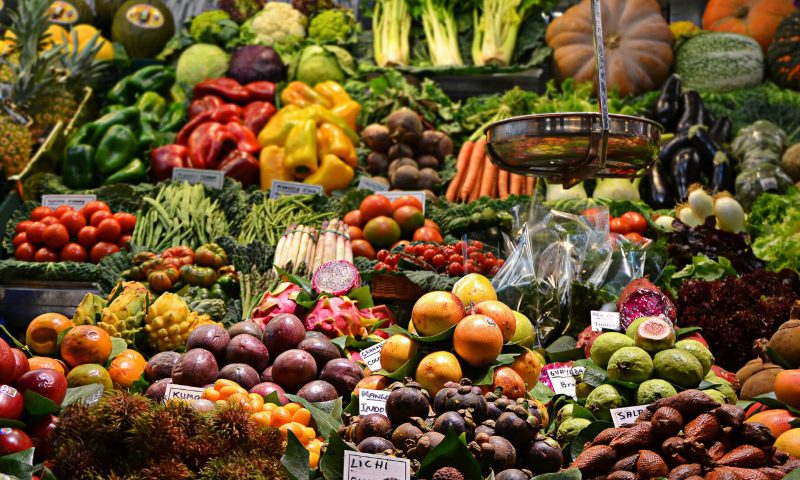
Indian exporters have called for reciprocal market-access measures for agricultural and food products, seeking greater alignment between import concessions offered to foreign suppliers and opportunities available to Indian products in overseas markets.
Exporters argue that reciprocal arrangements could help address concerns over uneven market access and create a more balanced framework for agricultural trade. They have urged policymakers to consider the interests of domestic producers and exporters while negotiating trade agreements and reviewing import policies.
The demand comes as India continues to expand its network of free trade agreements and pursue wider access for agricultural and processed-food products. Exporters see improved market access as important for increasing shipments of products such as cereals, fruits and vegetables, processed foods, marine products and other agri commodities.
Industry representatives have also highlighted the need to examine tariff and non-tariff barriers faced by Indian agricultural exports. Differences in standards, certification requirements, quotas and other regulatory conditions can affect the competitiveness of Indian products in overseas markets.
Exporters want future trade negotiations to provide greater opportunities for Indian agricultural products while ensuring that import commitments do not place disproportionate pressure on domestic producers.
The issue is expected to remain part of India’s broader discussions on trade liberalisation, food security and agricultural market access as the country seeks to expand exports and strengthen its position in global food supply chains.