
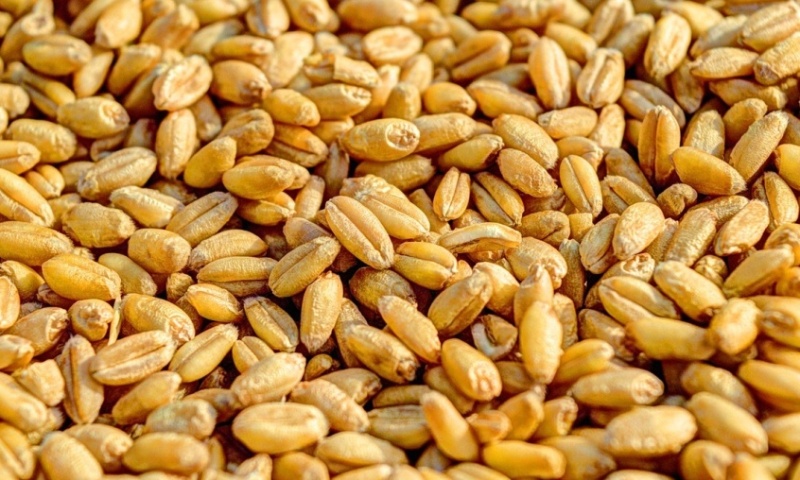
Bangladesh has resumed purchases of Indian wheat as disruptions in the Black Sea region push up international wheat prices and encourage buyers to seek alternative supplies.
The renewed buying provides a boost to Indian wheat exporters, who had faced reduced access to the Bangladeshi market in recent years as the country sourced significant volumes from Black Sea suppliers.
Rising freight and commodity costs linked to disruptions in the Black Sea region have increased the attractiveness of geographically closer suppliers. Indian wheat can reach Bangladesh through shorter regional supply routes, offering importers an alternative as global markets face uncertainty.
Bangladesh is a major wheat-importing market, relying on overseas supplies to meet demand from its food-processing, flour-milling and consumer sectors. Any sustained disruption to traditional supply sources could increase the country’s dependence on suppliers in South Asia and other regions.
For India, the renewed demand could support wheat exports and strengthen its position in neighbouring markets. Export opportunities, however, remain dependent on domestic availability, government policies and pricing conditions.
The latest purchases highlight how geopolitical and logistical disruptions in major grain-producing regions can quickly reshape regional trade flows, with buyers turning to nearby suppliers to manage price and supply risks.