
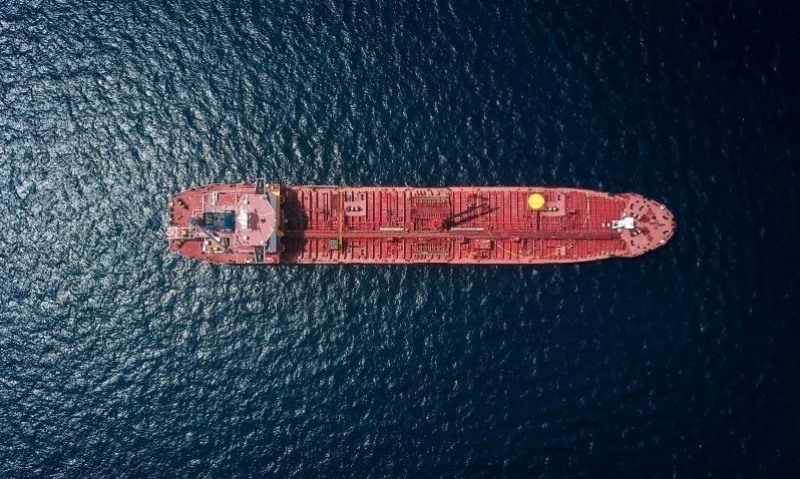
The Indian bulk vessel APJ Priti 2 has safely crossed the strategically important Strait of Hormuz while carrying around 65,000 metric tonnes of fertiliser, providing reassurance for India’s agricultural supply chain amid ongoing concerns over maritime security in the region.
The vessel’s safe transit ensures continued movement of essential fertiliser supplies, which are critical for supporting farming activities and maintaining agricultural production. The shipment highlights the importance of uninterrupted maritime trade through key global shipping routes.
The Strait of Hormuz remains one of the world’s most vital maritime chokepoints, handling major energy and commodity flows between the Middle East and global markets. Any disruption in the route can affect shipping schedules, freight costs, and supply chain stability.
Industry stakeholders said the successful passage of APJ Priti 2 reflects the resilience of maritime logistics networks and the ability of shipping operators to manage operations through high-priority trade corridors.
With fertiliser demand remaining a key priority for India’s agriculture sector, maintaining reliable sea routes will continue to be essential for ensuring timely imports and supporting food security.