
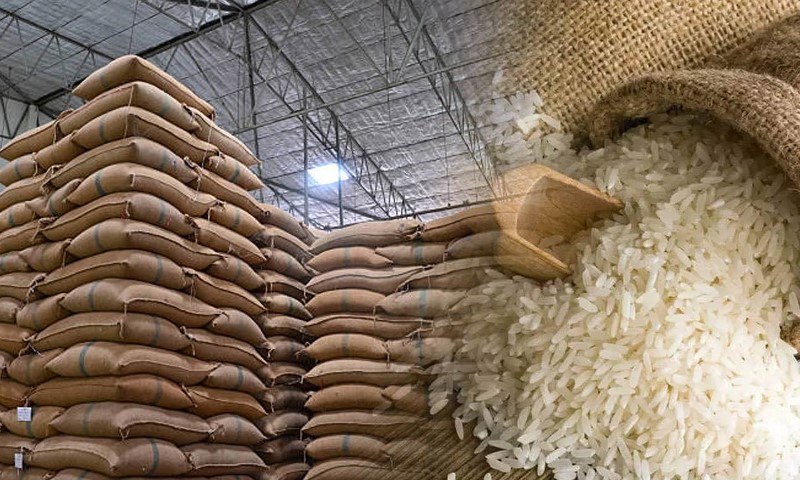
Indian rice export prices have climbed to their highest level in more than 19 months, supported by a stronger rupee, rising domestic paddy prices and sustained demand from African buyers, according to trade data reported by Reuters.
India’s 5% broken parboiled rice was quoted at US$394–398 per tonne during the week ended November 19, compared with US$385–390 per tonne a week earlier. Meanwhile, 5% broken white rice prices stood at US$395–400 per tonne.
Exporters have been raising their offers as the appreciation of the rupee reduces their domestic currency earnings from dollar-denominated shipments. Higher paddy procurement costs have also contributed to the upward movement in export prices.
Niraj Kumar, Head of India Rice Business at Aditya Birla Global Trading, said higher domestic paddy prices, sustained African demand and rupee appreciation had played an important role in supporting Indian rice export prices over the past three to four weeks.
Concerns over below-normal monsoon rainfall and adverse weather conditions have further strengthened market sentiment, with traders keeping a close watch on the domestic production outlook.
Despite the recent price increase, India continues to remain competitive in the international market compared with other major Asian suppliers. Thai 5% broken rice was quoted at US$505–510 per tonne, reaching its highest level since December 2024. Vietnamese 5% broken rice, meanwhile, was offered at US$475–485 per tonne, down from US$490–495 a week earlier amid limited buying interest at higher prices.
Demand from African markets has remained an important source of support for Indian exporters, particularly for parboiled rice shipments. The stronger demand has helped offset concerns about higher export quotations.
According to the US Department of Agriculture, India’s rice exports are expected to increase this year and in 2027, supported by substantial domestic stocks despite the possibility of lower production.
The latest price movement highlights the combined influence of currency fluctuations, domestic agricultural costs and international demand on India’s rice export trade. With African buying remaining firm and the rupee strengthening, exporters are likely to maintain a cautious approach to pricing while monitoring crop prospects and competing suppliers.
India’s position as a major global rice supplier is expected to remain significant, although further price movements will depend on domestic harvest conditions, currency trends and demand from key importing markets.