
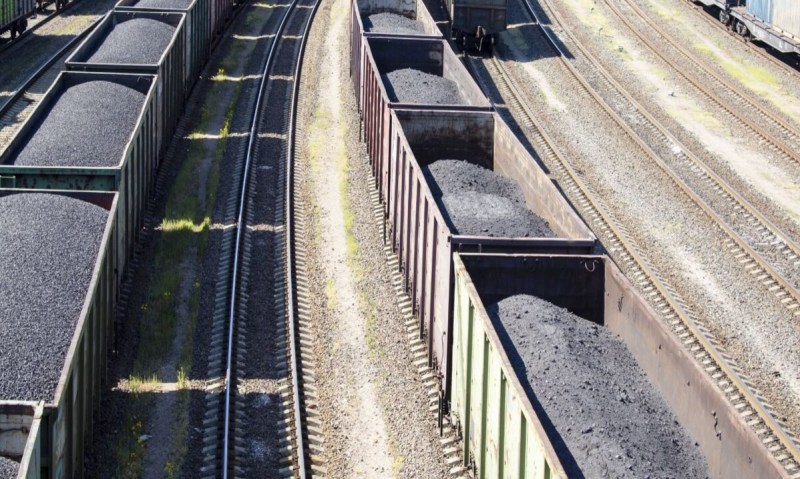
India’s coal demand is projected to rise by around 300 million tonnes (MT) by 2030, driven by rising electricity consumption, industrial expansion, and growing demand from sectors such as steel and cement. However, logistical challenges in transporting domestic coal from producing regions to major consumption centres could keep the country’s dependence on imported coal relatively high.
Coal continues to play a major role in India’s energy mix, with thermal power plants accounting for a substantial share of electricity generation. Expanding industrial activity and increasing power requirements are expected to support further growth in coal consumption over the coming years.
Although India has been increasing domestic coal production to reduce import dependence, transportation bottlenecks remain a significant challenge. Limited railway capacity, congestion on key freight corridors, inadequate last-mile connectivity and infrastructure constraints can affect the timely movement of coal from mines to power plants and industrial users.
These logistical limitations can make imported coal an attractive alternative for consumers located closer to ports or facing difficulties in securing adequate domestic supplies. Imported coal also remains important for certain industrial applications, particularly in the steel sector, where specific grades and quality characteristics are required.
The government has been pursuing measures to improve domestic coal availability through higher production, railway infrastructure expansion, dedicated freight corridors and improved port connectivity. Greater coordination between coal producers, Indian Railways and power utilities will be essential to strengthening the domestic supply chain.
Improving coal evacuation infrastructure and reducing transportation delays could help lower logistics costs and reduce the need for imports.
With demand expected to rise significantly by 2030, strengthening India’s coal transportation network will be crucial to balancing domestic production, imports and the country’s growing energy requirements.