
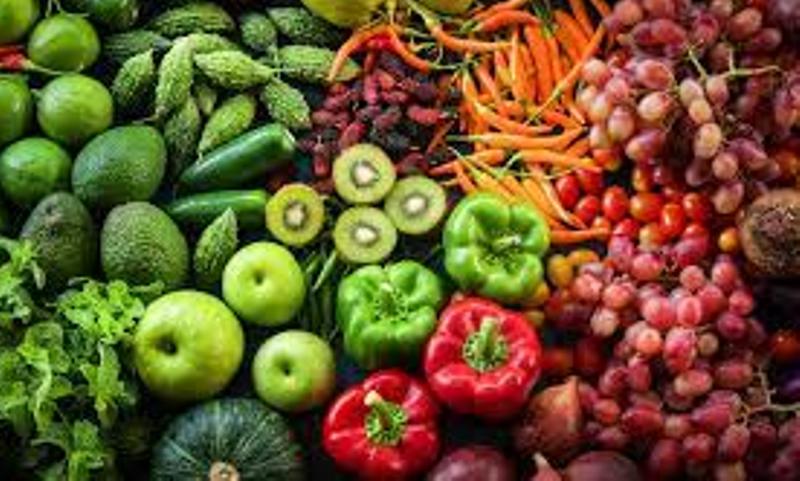
India’s imports of fruits and vegetables have surged 114% over the past decade, reflecting growing domestic demand for imported produce and an expanding consumer appetite for a wider variety of fresh foods.
The increase highlights a significant shift in India’s fresh-produce trade. Despite being one of the world’s largest producers of fruits and vegetables, India continues to import several products to meet demand for varieties that are either not produced domestically in sufficient quantities or are available only during limited seasons.
Imported products include apples, kiwifruit, avocados, cherries, grapes, dates and other specialty fruits, with changing consumer preferences and higher demand for premium produce supporting import growth.
India’s large domestic production base remains a major strength. Government data shows the country produced about 114.51 million tonnes of fruits and 219.67 million tonnes of vegetables, underlining the scale of its horticulture sector.
At the same time, the growth in imports points to opportunities and challenges for India’s agricultural supply chain. Improved cold-chain infrastructure, faster logistics and better access to international markets have made it easier for importers to bring perishable products into the country.
The rise in imports also comes as India strengthens its own position as a fresh-produce exporter. According to the Agricultural and Processed Food Products Export Development Authority (APEDA), India exported $1.92 billion worth of fresh fruits and vegetables in FY2025-26, with the UAE, Iraq, the Netherlands, Nepal, Malaysia and Bangladesh among the major destinations.
The simultaneous growth of imports and exports reflects the increasingly integrated nature of India’s horticulture market. While domestic farmers supply large volumes of conventional produce, imports help meet demand for premium and specialised varieties.
For logistics and cold-chain operators, the continued expansion of India’s fruit and vegetable trade could create additional demand for temperature-controlled transportation, refrigerated containers, specialised warehousing and efficient port handling. As consumer demand diversifies, maintaining quality and reducing transit losses will remain critical to the growth of India’s fresh-produce supply chain.