
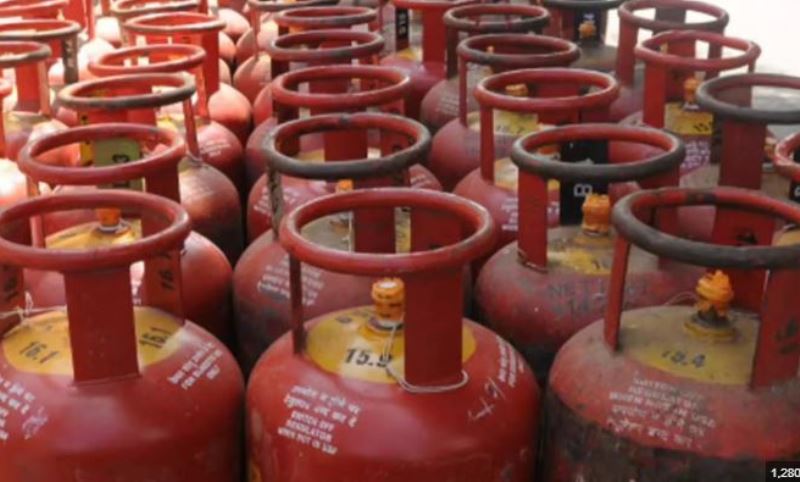
India’s liquefied petroleum gas (LPG) imports are expected to decline sharply in March as the ongoing Iran conflict disrupts shipments through key maritime routes, tightening supplies and raising concerns over domestic availability.
According to traders and ship-tracking data, India’s LPG imports could fall to around 1.19 million tonnes in March—marking a steep drop of nearly 46% on a daily basis compared to February levels. The decline is largely attributed to disruptions in cargo movement through the Strait of Hormuz, a critical route for energy shipments from West Asia.
India, which depends on imports for roughly 60% of its LPG consumption, sources a major share of its supplies from Gulf countries. The conflict has reduced the availability of shipments from the region, forcing buyers to seek alternative suppliers such as the United States, Russia, and Argentina.
The supply crunch has already prompted the government to take precautionary steps, including urging consumers to avoid panic buying and encouraging a shift to piped natural gas where available. Domestic refineries have also ramped up LPG production to partly offset the shortfall.
Meanwhile, several LPG carriers have faced delays or been stranded in the Gulf due to heightened security risks and shipping disruptions. This has further strained supply chains and impacted delivery schedules across the country.
Industry stakeholders warn that prolonged disruptions could deepen supply constraints, particularly for commercial users, as authorities prioritise household consumption. The situation underscores India’s vulnerability to geopolitical shocks, given its heavy reliance on energy imports routed through conflict-prone regions.