
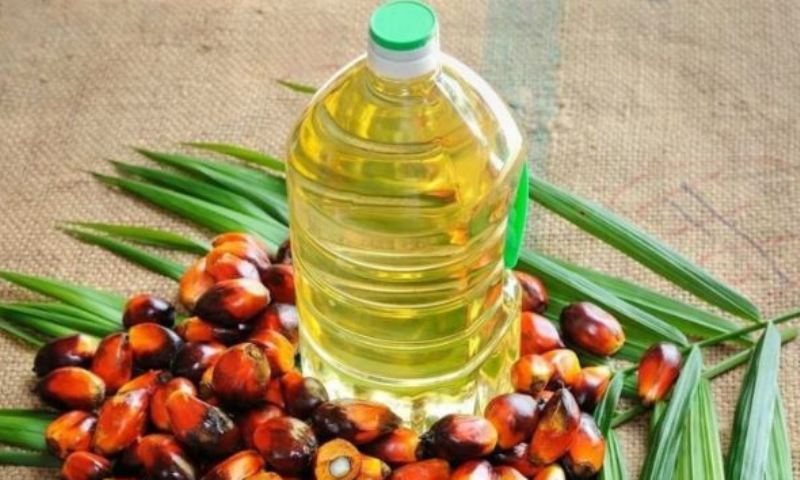
India’s palm oil imports are expected to remain steady at around 9–10 lakh tonnes per month as international prices approach their bottom levels, according to Sandeep Bhan. The outlook suggests that India’s demand for imported edible oil will continue at relatively stable levels in the coming months.
The price outlook is an important factor influencing India’s palm oil procurement decisions, as the country depends heavily on overseas supplies to meet its edible oil consumption requirements. Lower international prices could encourage refiners and importers to maintain regular purchases, although changes in global production, currency movements and shipping costs will continue to influence buying decisions.
India is one of the world’s largest importers of edible oils, with palm oil accounting for a significant share of its overseas purchases. Indonesia and Malaysia remain the principal suppliers, supported by their large production capacities and established export infrastructure.
Palm oil is widely used in the Indian food processing industry, including the manufacture of packaged foods, bakery products, snacks and confectionery. It also serves as an important cooking oil for households and commercial establishments.
Import demand is influenced by the relative prices of palm oil, soybean oil and sunflower oil. Any changes in the price competitiveness of these alternatives can affect the purchasing preferences of Indian refiners and traders.
The expected monthly import volume of 9–10 lakh tonnes indicates continued dependence on international markets to meet domestic edible oil requirements. Developments in production and export policies in Southeast Asia, global vegetable oil prices and freight costs will remain key factors shaping India’s import outlook.
With international palm oil prices approaching levels considered attractive by market participants, India’s buying activity is expected to remain relatively stable, providing continued support to global palm oil trade flows.