
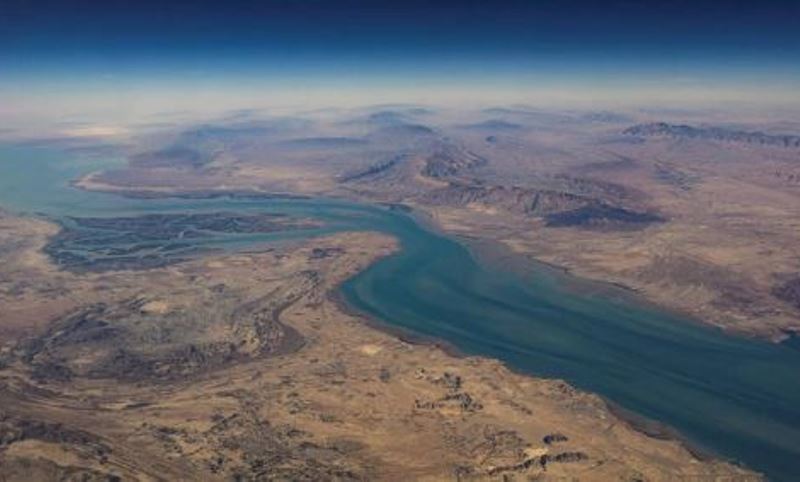
Iran has reportedly declared the Strait of Hormuz closed once again after intercepting and striking a vessel that it claimed was navigating an “unauthorised” route through its territorial waters. The reported move has heightened concerns over maritime security in one of the world’s most strategically important shipping corridors, through which nearly a fifth of global oil trade passes.
According to reports, Iranian authorities accused the vessel of deviating from approved navigation channels, prompting enforcement action. While details surrounding the incident remain limited, the development has raised fresh fears of disruptions to commercial shipping and energy supplies in the Gulf region.
A renewed closure of the Strait of Hormuz could have significant implications for global trade, particularly for crude oil, liquefied natural gas (LNG), and container shipping. Shipping companies may be forced to delay sailings, reroute vessels, or implement additional security measures, potentially leading to longer transit times, higher freight costs, and increased marine insurance premiums.
Industry analysts noted that any prolonged disruption in the waterway would affect major energy exporters in the Gulf and could trigger volatility in global oil markets. Import-dependent economies, including those in Asia, are expected to closely monitor developments given their reliance on energy shipments transiting the strait.
Maritime authorities and international shipping stakeholders continue to assess the situation, while carriers are expected to issue operational advisories based on evolving security conditions. The latest incident underscores the geopolitical sensitivity of the Strait of Hormuz and its critical role in maintaining the uninterrupted flow of global commerce and energy supplies.