
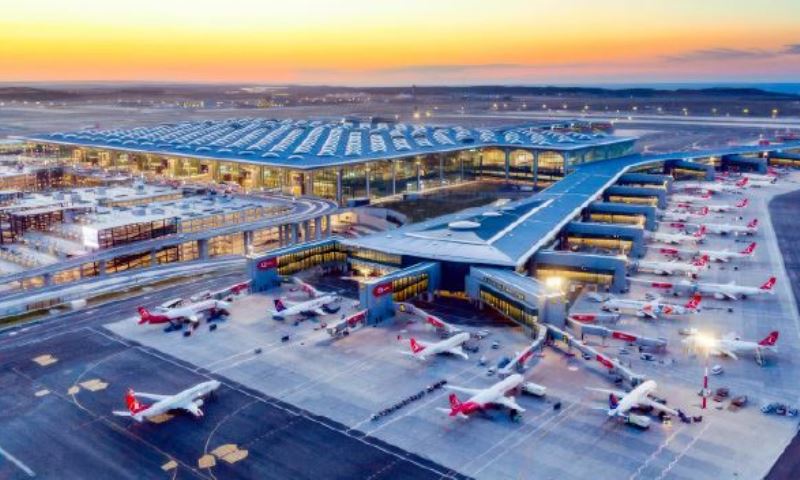
Istanbul has emerged as Europe’s busiest air cargo hub during the first half of the year, highlighting the Turkish city’s growing importance in international freight and logistics networks.
The strong performance reflects Istanbul’s strategic location between Europe, Asia, the Middle East and Africa, allowing airlines and logistics operators to use the city as an important connecting point for global cargo flows.
The city’s expanding air cargo activity has been supported by its modern airport infrastructure, extensive airline network and access to major international markets. These advantages have helped Istanbul attract transit cargo as well as shipments originating from and destined for Turkey.
Istanbul Airport has also benefited from the growth of specialised and time-sensitive cargo, including high-value products, pharmaceuticals, electronics and e-commerce shipments. The airport’s facilities are designed to support the handling of a wide range of freight while providing connections to numerous international destinations.
The strong first-half performance comes as global air cargo demand continues to benefit from changing supply-chain strategies and the growth of e-commerce. Businesses are increasingly relying on air freight for urgent and high-value shipments, particularly when sea freight faces delays or capacity constraints.
Istanbul’s position as a major connecting hub also provides airlines with opportunities to consolidate cargo from different regions before moving it onward to European, Asian and Middle Eastern destinations. This hub-and-spoke model supports higher network efficiency and broader market coverage.
The development strengthens Turkey’s position in the international logistics sector and reinforces Istanbul’s role as a bridge between major trading regions. Continued investment in cargo handling capacity, warehousing and supporting logistics infrastructure could further increase the city’s competitiveness.
With its geographical advantage and growing air freight network, Istanbul is expected to remain an important gateway for European and intercontinental cargo flows in the years ahead.