
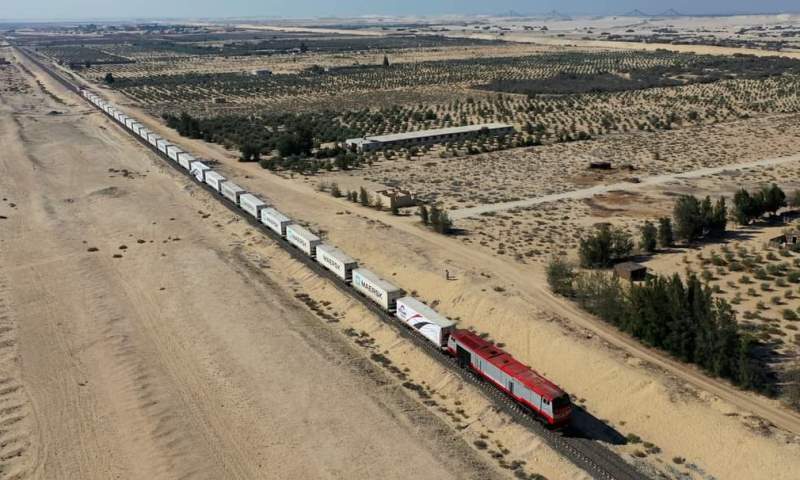
Kazakhstan and Russia are stepping up efforts to strengthen rail freight connectivity with China, aiming to enhance cargo flows across key Eurasian corridors and capitalize on growing demand for overland trade routes.
The initiative focuses on expanding rail capacity, improving border infrastructure, and streamlining customs procedures along major transit points linking China with Central Asia and Europe. Officials from both countries emphasized the importance of seamless connectivity to support faster and more reliable cargo movement.
The move comes amid increasing interest in rail transport as an alternative to maritime routes, particularly in the face of geopolitical disruptions and longer transit times on traditional sea lanes. Rail corridors through Kazakhstan and Russia have emerged as vital links in facilitating trade between Asia and Europe.
Industry observers note that enhanced coordination between the two countries could significantly reduce transit bottlenecks, improve turnaround times, and lower logistics costs. Investments in digital tracking systems and multimodal integration are also expected to play a key role in boosting efficiency.
The strengthened partnership is likely to reinforce the role of the Eurasian land bridge in global supply chains, offering shippers a competitive and resilient option for moving goods between China and key international markets.