
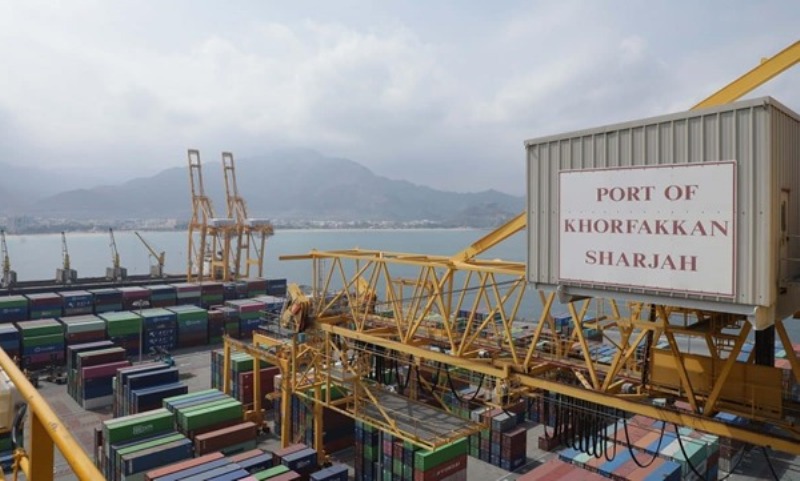
Khorfakkan Port is set to handle up to 300,000 tonnes of aluminium cargo, strengthening its role as a regional gateway for bulk and industrial commodities and supporting the movement of aluminium through the UAE’s maritime logistics network.
The planned cargo volumes reflect the port’s growing importance in handling industrial materials and connecting manufacturers, traders and shipping lines with international markets. Aluminium is widely used across construction, automotive, packaging, manufacturing and other industries, generating demand for efficient and reliable transportation and storage infrastructure.
Khorfakkan Port, located on the UAE’s east coast, has strategic access to international shipping routes outside the Strait of Hormuz. Its location provides shipping operators with an important gateway for cargo moving between the Indian Ocean, the Middle East, Asia and other global markets.
Handling larger aluminium volumes will require coordinated terminal operations, including vessel handling, cargo unloading, storage and onward transportation. Efficient management of these activities can help reduce cargo dwell times and support smoother supply-chain flows for aluminium producers and customers.
The increased aluminium activity is also expected to support associated logistics services, including inland transportation, warehousing and cargo distribution. Higher industrial cargo volumes can strengthen the wider logistics ecosystem surrounding the port.
The development comes amid continued efforts across the UAE to expand maritime infrastructure and strengthen the country’s position as a global trade and logistics hub. Ports are increasingly seeking to diversify cargo portfolios and improve their ability to handle specialised and high-volume commodities.
For aluminium traders and industrial customers, additional handling capacity can provide greater flexibility in managing import, export and transshipment requirements. It may also help accommodate changing trade flows and growing demand from regional manufacturing and construction markets.
The planned handling of up to 300,000 tonnes of aluminium highlights Khorfakkan Port’s expanding role in industrial cargo logistics. As regional trade continues to develop, the port’s connectivity and handling capabilities are expected to remain important for supporting the movement of bulk and containerised commodities.