
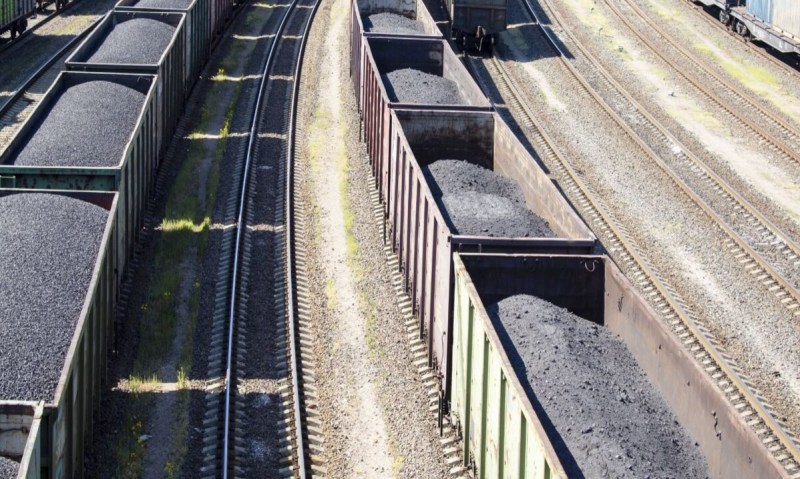
A new 80 km-long railway line connecting Kondapalli in NTR district of Andhra Pradesh (AP) and Penuballi in Khammam district (Telangana) is going to help Dr. Narla Tatarao Thermal Power Station (NTTPS) reduce the cost of transportation of coal from the Sathupalli mines of Singareni Collieries Company Limited (SCCL).
According to reliable sources, the project has been recently approved by the Ministry of Railways and land acquisition and other works for it are underway.
At present, AP-Genco is moving the coal allocated to it in the Sathupalli mines to NTTPS via Penuballi, Kothagudem and Dornakal, which is about 240 km. The Kondapalli-Penuballi line directly links NTTPS with Sathupalli mines, bringing down the turnover time of rakes.
The new line will lead to better coal stock management at NTTPS and will save railway freight charges. Ultimately, AP-Genco will be able to reduce the variable cost of power generation and the benefit can be passed on to the consumers.
Penuballi is an existing station in the Sathupalli-Kothagudem route of the South Central Railway, which also has Kondapalli in its jurisdiction.
NTTPS meets a large part of its coal requirement from SCCL and the far-off Mahanadi Coalfields Limited (MCL). It (NTTPS) has total eight units (6 x 210 MW, 1 x 500 MW and 1 x 800 MW) and the largest one of them needs about four million metric tons of coal per annum.