
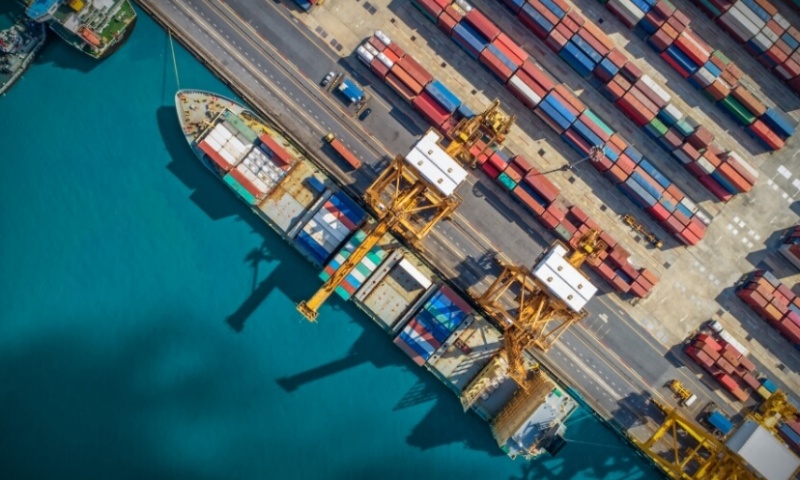
According to the Korean Times, located in Changwon, 298 kilometers southeast of Seoul, this container terminal is the country’s first fully automated terminal. The technology enables automated transfers of cargo from ships to containers, which is expected to increase productivity by up to 20% compared to other ports. Additionally, this automation reduces the risk of safety-related accidents, demonstrating a major advancement in port operations and efficiency.
During the ceremony, President Yoon made several key pledges to support and elevate the port and shipping industries. He vowed to transform Busan Port into a global logistics hub and to elevate the overall standards of the port and shipping sectors to world-class levels. To address the industry’s concerns and needs, he promised to extend the tonnage taxation system.
As informed, this tax method allows shipping companies to pay taxes based on the net tonnage of their fleet rather than their profits, resulting in a lighter tax burden compared to traditional corporate taxes. The shipping industry had been advocating for the extension of this system, which was set to expire at the end of the year.
In a move to further support and bolster the shipping industry, President Yoon also announced a financial commitment from the government. He pledged 5.5 trillion won ($4.06 billion) in funding to national shipping companies. This financial support is intended to assist these companies in expanding their fleets and transitioning to more environmentally friendly practices.