
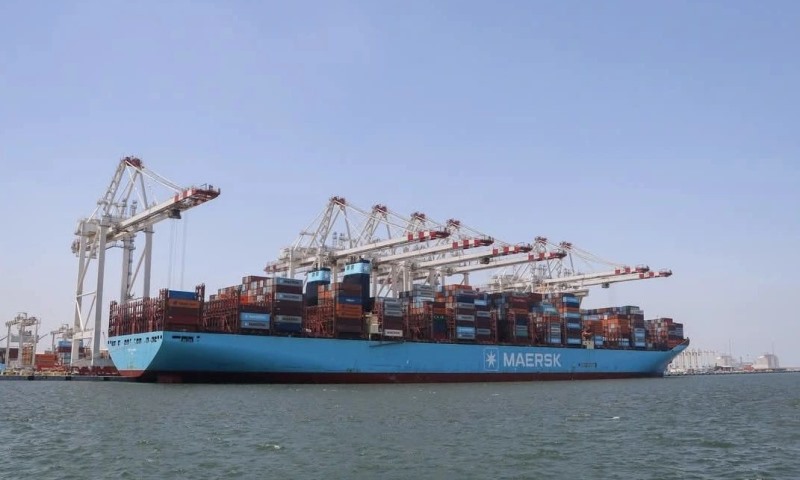
Maersk has dropped the Cato Ridge drop-off fee for cargo moving through Durban, providing relief to customers using the inland logistics location.
The change removes the additional charge associated with dropping off containers at Cato Ridge and is expected to reduce transportation costs for eligible customers. Cato Ridge serves as an important inland logistics point connected to the Port of Durban and provides an alternative for cargo moving between the port and inland markets.
The suspension of the fee gives shippers and freight forwarders greater flexibility when planning container movements. It may also help customers optimise their inland transportation arrangements by using Cato Ridge as part of their supply-chain routing.
Durban is South Africa’s major container gateway and handles substantial volumes of imports and exports. Efficient connections between the port and inland logistics facilities are therefore important for maintaining cargo flows and limiting congestion-related costs.
For customers, changes to local charges can have a direct impact on the overall cost of moving containers, particularly when cargo requires additional inland transport beyond the port. Maersk’s decision to drop the Cato Ridge fee could therefore provide a cost advantage for affected shipments.
The suspension also highlights the role of inland logistics facilities in supporting port operations. By connecting coastal terminals with inland cargo destinations, such facilities can help improve container distribution and provide alternatives for cargo owners.
Maersk customers are expected to benefit from the revised charging arrangement for applicable cargo movements. Further details on the scope and duration of the fee suspension will determine its longer-term impact on inland container logistics around Durban and Cato Ridge.