
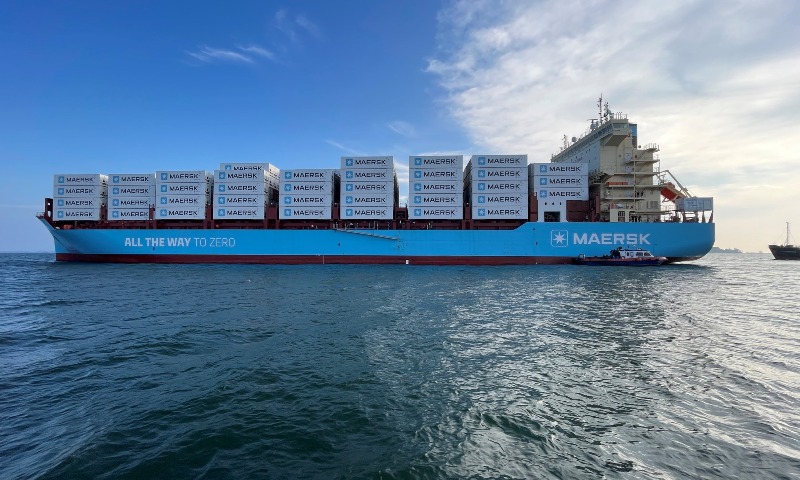
Maersk has announced a revision to its Dragon service by removing Shanghai from the service’s port rotation, a move aimed at improving schedule reliability and streamlining operations across the Asia trade network. The adjustment is part of the carrier’s ongoing efforts to optimize vessel deployment and maintain consistent transit times amid changing market conditions.
Under the revised rotation, the Dragon service will continue to connect major ports across Asia, but vessels will no longer make a direct call at Shanghai. The change is expected to reduce port stay times and enhance the overall efficiency of the service by minimizing potential delays associated with one of the world’s busiest container ports.
To ensure uninterrupted cargo movement, Maersk said customers shipping to or from Shanghai will be able to use alternative services within its regional and global network. The carrier has advised shippers to review updated sailing schedules and coordinate with local Maersk representatives to identify the most suitable routing options for their cargo.
The network adjustment reflects Maersk’s broader strategy of continuously refining its liner services to match evolving trade patterns, operational requirements and customer demand. By optimizing port rotations and vessel schedules, the company aims to improve schedule integrity while maintaining competitive transit times across key trade lanes.
The latest change comes as global container shipping lines continue to fine-tune their networks in response to fluctuating cargo volumes, port congestion and capacity management. Carriers are increasingly revising service rotations to improve operational resilience and deliver more reliable supply chain solutions for exporters and importers.