
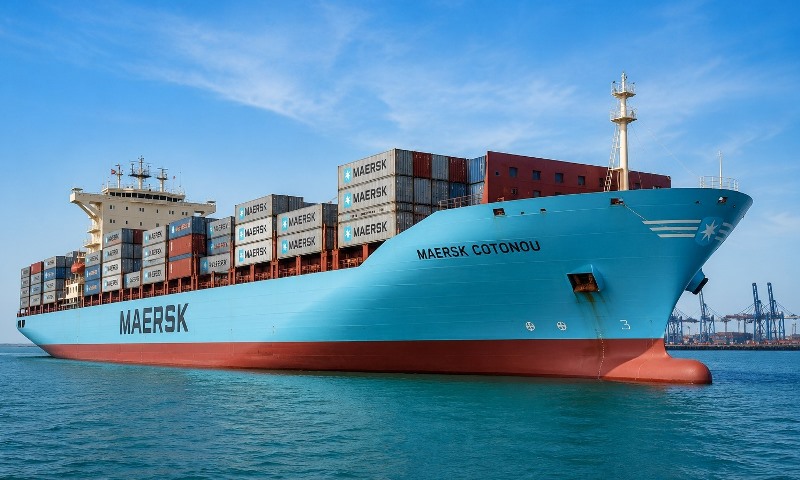
Maersk has introduced a Bonn contingency surcharge as unusually low water levels on the Rhine River disrupt barge operations and create additional challenges for inland container transportation in Germany.
The surcharge is aimed at covering additional operational costs arising from restrictions on barge movements along the Rhine. Low water levels can reduce the amount of cargo that vessels are able to carry, requiring operators to adjust loading plans and potentially deploy additional barges or alternative transport modes.
The Rhine is a critical inland waterway for European logistics, connecting major industrial regions with important seaports including Rotterdam and Antwerp. Containerised cargo moving along the river is therefore an important component of hinterland supply chains.
When water levels fall significantly, barges may be forced to operate below normal capacity to maintain safe navigation. This can reduce available transport capacity and increase the cost of moving containers between ports and inland terminals.
For Maersk customers, the disruption could result in higher inland transportation costs and potential delays, particularly for cargo dependent on barge services around the Bonn area. The contingency surcharge is intended to address the additional costs associated with the challenging operating conditions.
The situation also highlights the vulnerability of inland European logistics networks to extreme or unfavourable weather conditions. Waterways offer an efficient and lower-emission alternative to road transport, but their reliability can be affected by both low and high water levels.
Maersk is expected to continue monitoring Rhine conditions and adjust its inland transportation arrangements as water levels change. The duration of the surcharge will depend on the recovery of navigable water levels and the return of barge operations to normal capacity.
For shippers, the development reinforces the importance of maintaining flexible inland transport options during periods of waterway disruption. Road and rail alternatives could become increasingly important if low Rhine levels persist.