
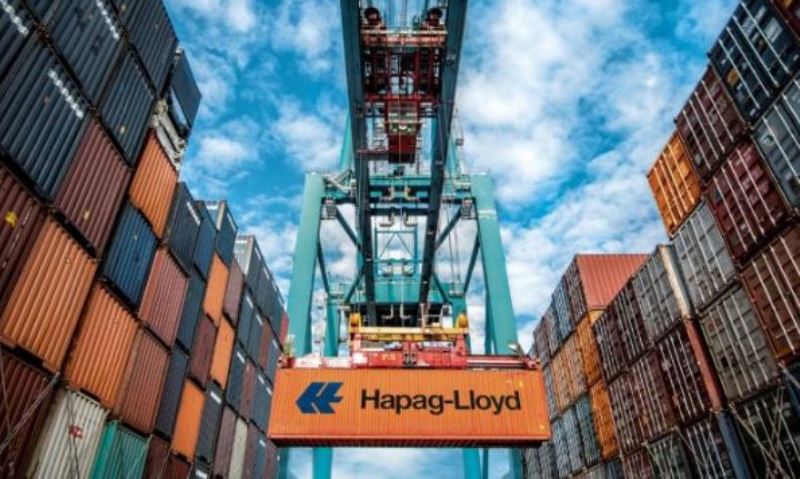
Hapag-Lloyd has introduced a US$1,350 low water surcharge for cargo moving to Manaus, Brazil, as reduced water levels on the region’s river system create operational challenges for container shipping.
The surcharge is intended to cover additional costs arising from difficult navigation conditions. Low water levels can restrict vessel movements, reduce cargo-carrying capacity and require shipping lines to make operational adjustments to maintain services.
Manaus is an important logistics and industrial centre in Brazil’s Amazon region, with much of its containerised cargo dependent on river transportation. The port’s connectivity is therefore particularly sensitive to changes in water levels.
When river levels fall, vessels may have to reduce their drafts and carry less cargo to navigate safely. This can reduce effective capacity and increase the number of vessels or operational resources required to move the same volume of freight.
For shippers, the US$1,350 surcharge represents an additional logistics cost for affected Manaus cargo. The measure may also be accompanied by changes to sailing schedules or cargo-handling arrangements if waterway conditions deteriorate further.
The development highlights the vulnerability of Amazon-region supply chains to seasonal and weather-related changes in river conditions. The region relies heavily on waterways because of limited road and rail alternatives for moving large volumes of cargo.
Hapag-Lloyd is expected to monitor water levels and operating conditions closely. The surcharge could be reviewed or withdrawn once navigation conditions improve and additional costs associated with low water levels ease.
The measure also underscores the broader challenges facing inland and river-based logistics networks as shipping operators adapt to increasingly variable waterway conditions.
For businesses serving Manaus, the disruption makes accurate transport planning particularly important. Shippers may need to account for additional costs, potential capacity restrictions and longer transit times while river conditions remain challenging.