
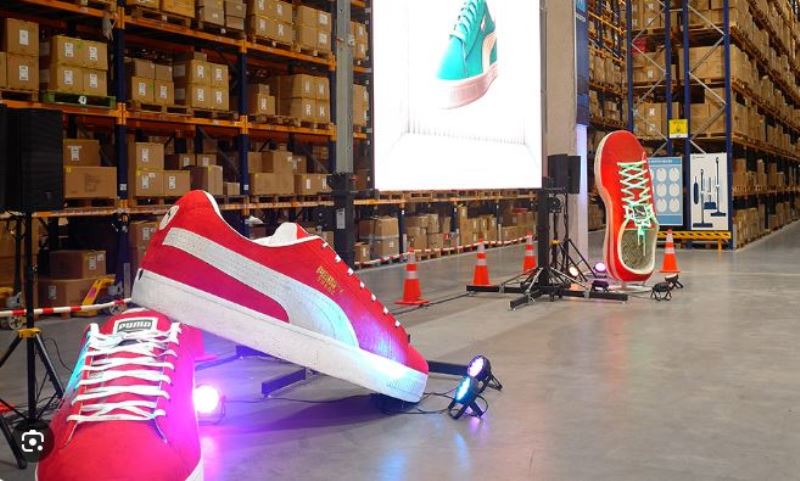
Maersk is set to take over the management of PUMA’s automated warehouse operations in the United States, expanding its role in the sportswear company’s logistics and supply-chain activities.
The partnership will see Maersk manage PUMA’s automated warehousing facilities, supporting the storage and distribution of products across the US market. The move is expected to strengthen coordination between warehousing, transportation and other supply-chain functions.
Automation will play a key role in the facilities, helping streamline inventory handling, order processing and distribution. Integrating warehouse operations with Maersk’s broader logistics network could provide greater visibility and coordination across PUMA’s supply chain.
The agreement reflects the growing use of automated fulfilment infrastructure by retailers and consumer brands as they seek to improve efficiency and respond to changing customer expectations.
For Maersk, the arrangement further expands its integrated logistics offering in the US, where the company has been investing in contract logistics, warehousing and distribution capabilities.
PUMA will benefit from Maersk’s logistics expertise and its ability to connect warehousing operations with transportation services. The collaboration is intended to support the sportswear company’s distribution requirements as it serves customers across the US.
The development highlights the broader shift toward technology-enabled logistics, with automated warehouses increasingly becoming an important component of modern retail and e-commerce supply chains.