
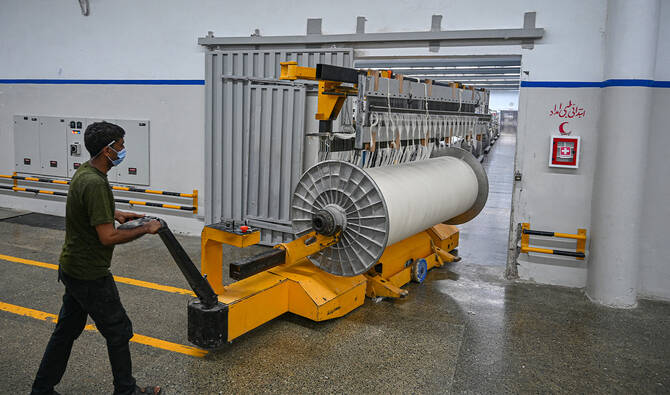
Pakistan Customs has intercepted a consignment of banned Indian-origin textile machinery misdeclared as Chinese equipment, in one of the first major detections under the Federal Board of Revenue’s upgraded Risk Management System (RMS 2.0).
The seizure, conducted jointly by Customs Appraisement (West) Karachi and Customs Enforcement Karachi, took place at the Karachi International Container Terminal (KICT) after the RMS 2.0 software flagged the shipment for inspection.
The machinery, imported via Jebel Ali, Dubai, was found to have manufacturer markings deliberately removed to conceal its Indian origin. The goods are valued at USD 85,107. Legal proceedings have been initiated against the importers.
“This detection highlights Customs’ vigilance and the effectiveness of FBR’s upgraded RMS 2.0,” the FBR said in an official statement.
The interception underscores the ongoing challenge of enforcing Pakistan’s ban on Indian goods, which has been in place since August 2019 following India’s revocation of Jammu and Kashmir’s special status. Officials noted that rerouting goods through Dubai’s Jebel Ali Port illustrates the sophisticated tactics being countered by Pakistan’s digital tracking and risk-based inspections.
RMS 2.0, part of Pakistan’s customs modernization initiative, employs risk profiling, analytics, and automated alerts to detect high-risk shipments and prevent trade violations or revenue loss.