
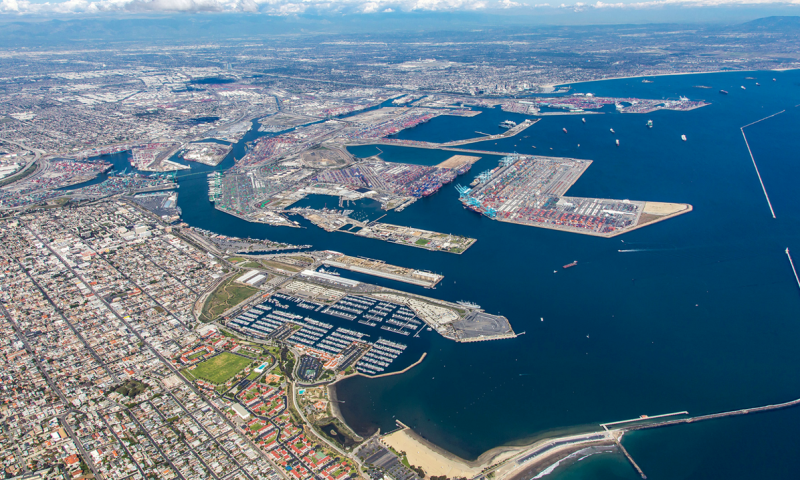
The Port of Los Angeles has reported an incident in which three containers fell overboard during port operations, raising concerns over cargo safety and potential impacts on marine traffic.
Details regarding the vessel involved, the exact location of the incident and the circumstances leading to the container loss were not immediately available. It was also unclear whether the containers sank, remained afloat or were recovered.
Container losses at sea can create several operational and environmental risks. Floating containers may pose hazards to vessels navigating nearby waters, while damaged cargo can result in financial losses for shippers, carriers and cargo owners. Depending on the contents, such incidents may also require environmental monitoring and recovery operations.
Port authorities, terminal operators and relevant maritime agencies are expected to assess the incident and determine the cause. Investigations may examine container stowage, securing arrangements, weather conditions, vessel movements and handling procedures.
The incident highlights the importance of proper container inspection, safe handling and effective securing practices throughout the maritime supply chain. Carriers and terminal operators are required to maintain robust cargo-safety procedures to reduce the risk of container losses and protect port operations.
Further information on the affected containers, cargo contents, recovery efforts and any disruption to terminal activity is expected as authorities review the incident.