
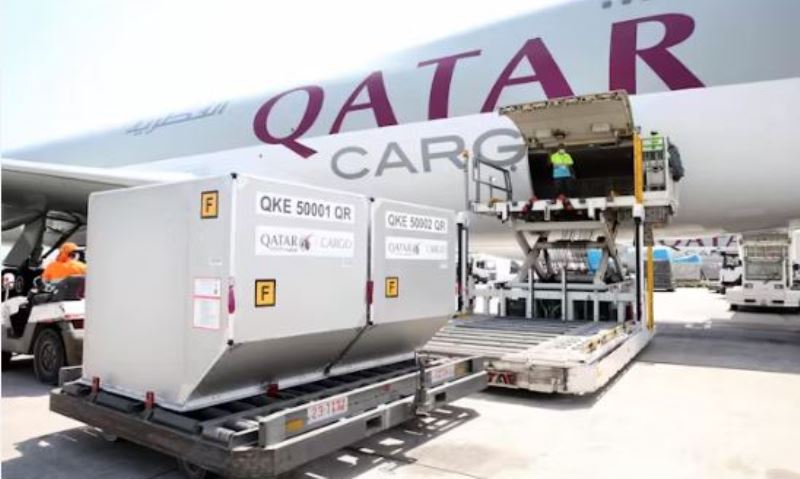
Qatar Airways Cargo has restructured its Doha-centered network to adapt to ongoing embargo-related restrictions, ensuring continuity of operations and service reliability across key global routes.
The revised network strategy involves rerouting flights, adjusting frequencies, and optimizing transit points to navigate airspace limitations and regulatory constraints affecting operations in the region. The carrier is also leveraging alternative hubs and partnerships to maintain connectivity.
Industry sources indicate that the changes are aimed at minimizing disruptions to cargo flows, particularly for time-sensitive shipments such as pharmaceuticals, perishables, and high-value goods. Despite the challenges, Qatar Airways Cargo continues to maintain a strong presence across Asia, Europe, and the Americas.
The Doha hub remains central to the airline’s operations, with efforts focused on preserving its role as a major transshipment point for global air freight. Enhanced coordination and operational flexibility have been key to sustaining throughput levels.
Stakeholders note that embargo conditions have increased operational complexity and costs, including longer flight paths, higher fuel consumption, and tighter scheduling constraints. However, proactive network adjustments have helped mitigate the impact.
The move highlights the resilience of global air cargo operators in adapting to geopolitical challenges, as they continue to reconfigure networks to maintain service continuity and meet customer demand.
As conditions evolve, Qatar Airways Cargo is expected to further refine its network strategy, balancing efficiency with compliance in a dynamic operating environment.