
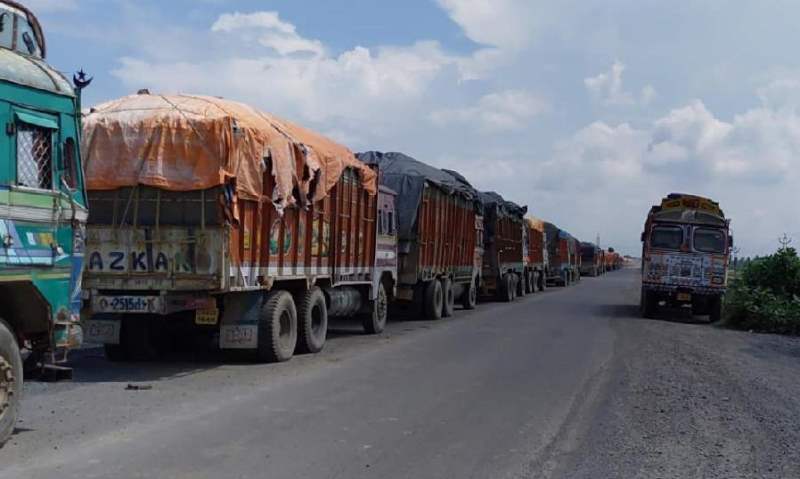
The growing use of railways to transport finished vehicles is unlikely to significantly affect truck sales in India, according to the Society of Indian Automobile Manufacturers (SIAM).
The automobile industry has increasingly adopted rail transport for moving vehicles from manufacturing plants to markets, driven by the need to reduce logistics costs, improve efficiency and lower carbon emissions. However, road transport continues to offer greater flexibility and last-mile connectivity.
SIAM’s latest leadership change comes as the industry focuses on sustainable mobility and improving logistics efficiency. Shenu Agarwal, Managing Director and CEO of Ashok Leyland, took over as SIAM President for 2026-27 on September 3.
Rail transport is expected to remain complementary to road freight rather than replace it. Trucks continue to play a critical role in moving vehicles and components between factories, rail terminals, dealerships and other destinations where direct rail connectivity is unavailable.
The broader commercial vehicle market also continues to see healthy demand. Mahindra’s Trucks and Buses business recorded 47% year-on-year growth in overall sales in August 2026, supported by freight demand, infrastructure spending and replacement demand.
The continued expansion of both rail and road transport is therefore expected to support a more integrated vehicle logistics network, with each mode serving different stages of the supply chain.