
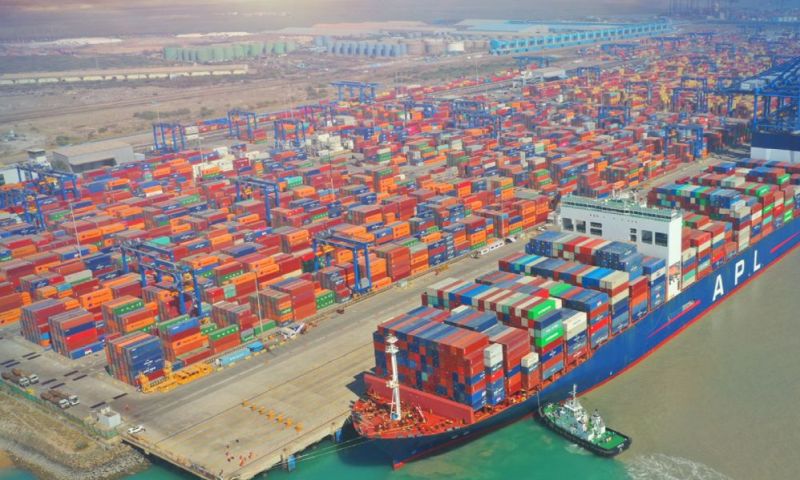
The Container Shipping Lines Association, a significant group of foreign container shipping lines in India, currently comprising 24 members, has raised an alarm about a substantial increase in freight rates on various routes.
Shipping container rates from ports such as Mundra to the US have spiked by nearly 70% and have almost doubled, or even tripled, for certain region in Europe.
Sunil K Vaswani, Executive Director of Container Shipping Lines Association (India) said shipping lines are worried about the Red Sea attacks. The persistent attacks has compelled the diversion of cargo through the alternate route via Cape of Good Hope.
“Although Maersk had announced getting back into the Red Sea, there was unfortunately an attack on the vessel, after which they suspended their services over the Red Sea for quite some time. And it’s indefinite till things improve,” he noted.
On January 5, Maersk said it will suspend all shipping through the Red Sea for the “foreseeable future” because of the threat of attacks on its vessels.
According to a January 5 note by Centrum Broking, while higher freight rates could translate to increased revenue, it’s crucial to discern whether this surge is a result of elevated operational costs or merely a reflection of heightened freight rates due to the prevailing tensions.
The brokerage firm expects persistent tensions in the Red Sea to also start impacting the ancillary expenses such as insurance.