
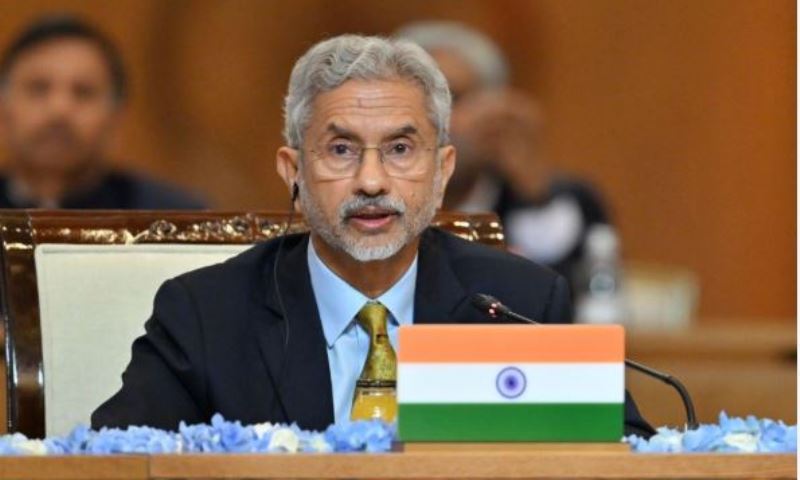
External Affairs Minister S. Jaishankar has arrived in Atlanta, United States, to participate in the G20 Foreign Ministers’ Meeting scheduled for October 30–31, with energy security, resilient supply chains and freedom of navigation emerging as key areas of discussion amid escalating geopolitical tensions and disruptions to international shipping.
The two-day meeting, hosted by US Secretary of State Marco Rubio, will bring together foreign ministers from major economies to discuss pressing global economic and security challenges. According to the US Department of State, discussions will focus on geopolitical crises affecting global supply chains, threats to freedom of navigation, and energy and food security.
Jaishankar will also participate in a Quad Foreign Ministers’ Meeting alongside representatives from the United States, Japan and Australia. Several bilateral meetings with his foreign counterparts are also scheduled on the sidelines.
The discussions assume particular significance for India amid continuing tensions in West Asia and security concerns around the Strait of Hormuz, a critical maritime corridor for global energy trade. Any prolonged disruption to shipping through the region could affect India’s crude oil, LNG and fertiliser supplies, as well as international energy markets.
The Ministry of External Affairs had earlier confirmed Jaishankar’s diplomatic tour, which includes participation in the G20 and Quad meetings in Atlanta, followed by a visit to the Caribbean.
After concluding his engagements in the United States, Jaishankar will travel to St. John’s, Antigua and Barbuda, to lead the Indian delegation at the Commonwealth Heads of Government Meeting (CHOGM), scheduled for November 1–4. The summit’s theme is “Accelerating Partnerships and Investment for a Prosperous Commonwealth.”
The G20 Foreign Ministers’ Meeting is expected to contribute to preparations for the forthcoming G20 Leaders’ Summit under the US presidency. The G20 brings together 19 countries and the European Union and African Union, representing around 85 per cent of global GDP and more than 75 per cent of international trade.
With maritime connectivity, energy flows and supply-chain resilience increasingly exposed to geopolitical risks, the deliberations in Atlanta are expected to underline the importance of maintaining secure and uninterrupted international shipping routes.