
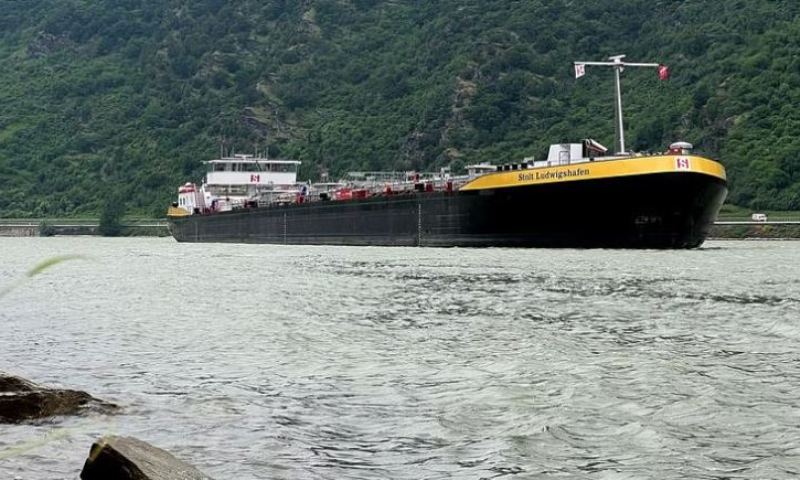
Inland shipping on Europe’s Rhine River has been severely disrupted as water levels have fallen to critically low levels, forcing barge operators to sharply reduce cargo loads and, in some stretches, suspend operations altogether. The deteriorating conditions have created fresh challenges for manufacturers, traders, and logistics providers that rely on the Rhine as one of Europe’s busiest inland freight corridors.
The exceptionally low water levels have limited the navigability of barges, requiring vessels to sail with only a fraction of their normal cargo capacity to avoid running aground. This has significantly reduced transport efficiency while driving up freight costs as more vessels are needed to move the same volume of cargo.
The Rhine is a vital transport artery linking major industrial regions in Germany, Switzerland, France, and the Netherlands, carrying commodities such as coal, chemicals, petroleum products, iron ore, grain, and containers. Disruptions to river traffic are expected to impact supply chains, particularly for industries dependent on just-in-time deliveries and bulk raw material shipments.
Logistics providers are increasingly diverting cargo to rail and road transport, although limited capacity and higher transportation costs are adding further pressure to regional supply chains. Shippers have also warned of potential delivery delays and increased operating expenses if water levels remain below navigable thresholds for an extended period.
The latest disruption highlights the growing vulnerability of Europe’s inland waterway network to extreme weather conditions linked to climate change. Industry stakeholders are calling for greater investment in climate-resilient infrastructure, improved waterway management, and multimodal transport solutions to reduce the impact of recurring low-water events on trade and industrial production.
With weather forecasts offering limited relief in the near term, shipping companies and cargo owners are expected to continue adjusting logistics plans while monitoring river conditions closely to minimise supply chain disruptions across Europe.