
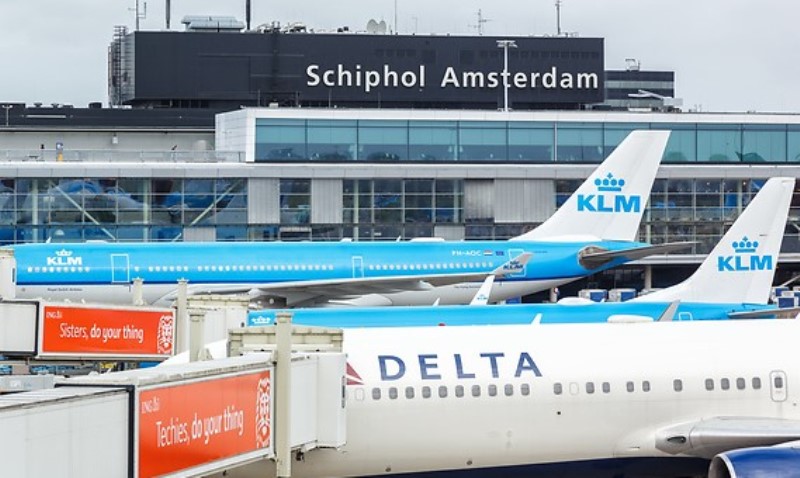
Amsterdam Airport Schiphol recorded an 8% increase in cargo volumes in August, handling 127,387 tonnes during the month as air freight activity continued to expand at the Dutch hub.
The growth reflects stronger cargo flows through Schiphol and highlights the airport’s role as a major European gateway for international air freight. The increase also comes amid changing global trade patterns and continued demand for reliable air cargo capacity.
Schiphol handles a diverse range of commodities, including high-value products, pharmaceuticals, perishables, electronics and other time-sensitive shipments. Its extensive airline network and connections with European road-freight markets allow cargo arriving at the airport to move efficiently to destinations across the continent.
The August performance also underlines the importance of belly-hold capacity and dedicated freighter operations in supporting international trade. Airlines serving Schiphol connect the Netherlands with major markets in Europe, Asia, North America, the Middle East and other regions.
For freight forwarders and logistics providers, higher cargo volumes can translate into increased demand for handling, warehousing, trucking and other supply-chain services around the airport. Maintaining sufficient capacity and efficient cargo processing will remain important as volumes grow.
Schiphol’s cargo activity is closely linked to the wider Dutch logistics sector, with the airport serving businesses that rely on fast international connections for imports and exports.
The latest increase provides a positive indication for air freight activity at the hub. Continued growth will depend on international trade conditions, airline capacity, cargo demand and the ability of the airport’s logistics ecosystem to handle rising volumes efficiently.