
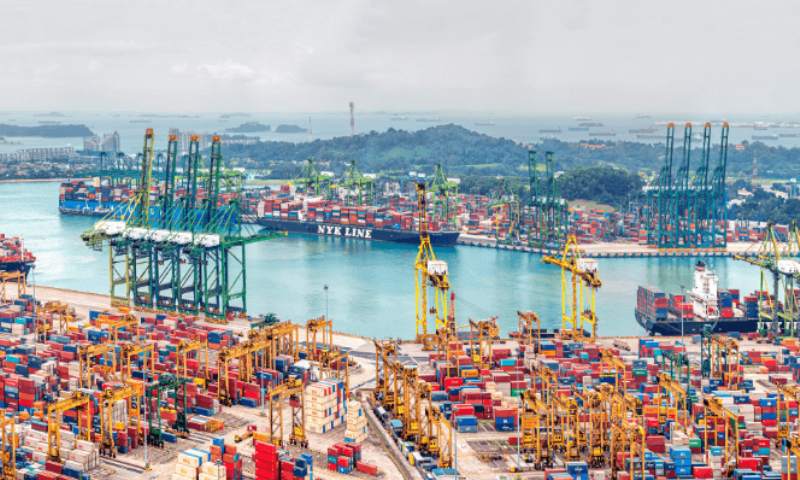
The Maritime and Port Authority of Singapore (MPA) and Qingdao Port will explore pilot projects to promote the use of zero- and near-zero-emission marine fuels on direct shipping routes between Singapore and Qingdao, strengthening cooperation on maritime decarbonisation.
The initiative is part of a new work plan to advance green and digital shipping cooperation between Singapore and China, including the Singapore-Shandong Green and Digital Shipping Corridor, MPA said in a LinkedIn post.
Under the initiative, the two ports will explore pilot and demonstration projects involving alternative marine fuels, including methanol, to support the transition towards cleaner shipping operations.
The collaboration will also examine opportunities to aggregate demand for methanol bunkering and facilitate the exchange of knowledge on bunkering standards, operational procedures and best practices.
In addition to green shipping, the work plan places emphasis on maritime digitalisation. MPA and Qingdao Port will explore the exchange of vessel operational data to improve visibility of ship arrivals, strengthen berth planning and enhance port resource allocation.
The two sides will also promote joint research and knowledge-sharing on alternative marine fuels and maritime digitalisation, involving research institutions such as the Singapore Maritime Institute and the China Waterborne Transport Research Institute.
The partnership is expected to strengthen operational cooperation between the two major maritime gateways while supporting the development of cleaner, more efficient and digitally connected shipping corridors between Singapore and China.