
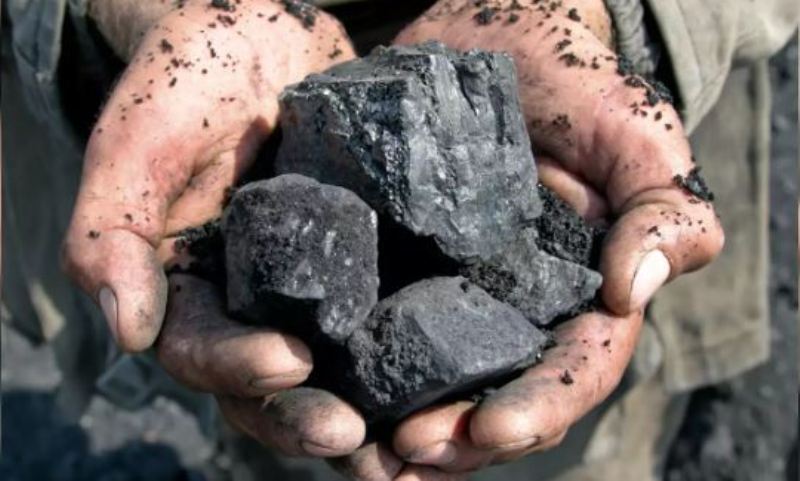
Thermal coal imports across Asia have shown signs of recovery, with several major markets increasing purchases, while India has moved against the broader regional trend. Rising demand from power generation, industrial activity and restocking needs has supported higher coal inflows across key Asian economies.
Countries including China, Japan, South Korea and Southeast Asian markets have recorded stronger thermal coal buying as utilities seek to secure fuel supplies amid changing energy demand patterns. Improved industrial activity and seasonal power requirements have contributed to the rebound in import volumes.
India, however, has seen comparatively weaker thermal coal imports due to higher domestic coal availability, increased production from state-owned miners and efforts to reduce dependence on overseas supplies. The country’s utilities have relied more on locally produced coal, limiting the need for additional imports.
Market participants expect Asia’s thermal coal trade flows to remain influenced by power demand, domestic production levels, global coal prices and energy transition policies. While regional imports are recovering, India’s focus on strengthening domestic supply is likely to keep import growth subdued in the near term.