
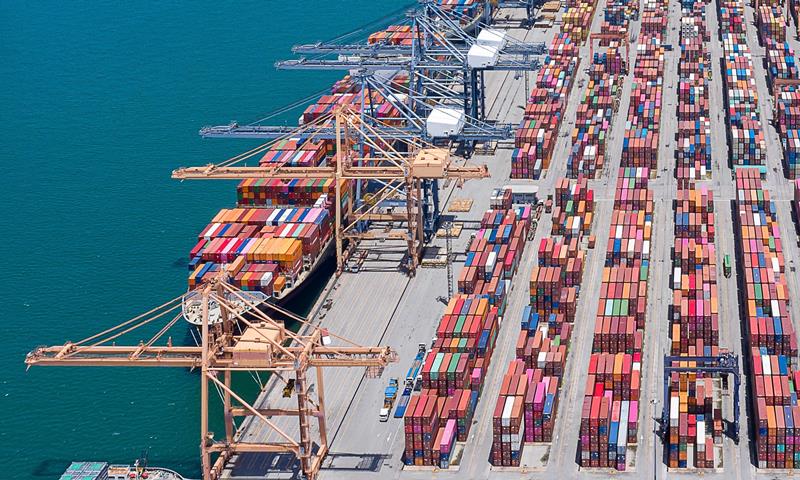
The Port of Tokyo maintained stable cargo and container handling performance in May 2026, standing out amid mixed traffic results reported across Japan’s major ports. While several ports experienced fluctuations in cargo volumes due to varying import and export demand, Tokyo continued to demonstrate resilience supported by steady container activity and strong domestic distribution.
Japan’s port sector recorded uneven performance during the month, with some gateways benefiting from higher containerized trade while others saw declines in bulk cargo and industrial shipments. Shifting trade patterns, softer manufacturing output in certain sectors, and changing import demand contributed to the varied results across the country’s maritime network.
Tokyo’s stable performance was underpinned by consistent consumer goods imports, reliable shipping schedules, and sustained demand for containerized cargo. The port’s role as a major logistics hub serving the Greater Tokyo metropolitan area helped maintain throughput despite broader market uncertainties.
Industry analysts noted that container traffic continues to outperform traditional bulk cargo segments as supply chains adapt to evolving trade flows and changing consumption patterns. Investments in port infrastructure, digitalization, and operational efficiency are also supporting the competitiveness of Japan’s leading container gateways.
Looking ahead, Japanese ports are expected to remain influenced by global trade conditions, shipping capacity, and regional economic trends. However, Tokyo’s steady performance highlights the importance of diversified cargo handling and efficient logistics operations in maintaining resilience amid a challenging maritime environment.