
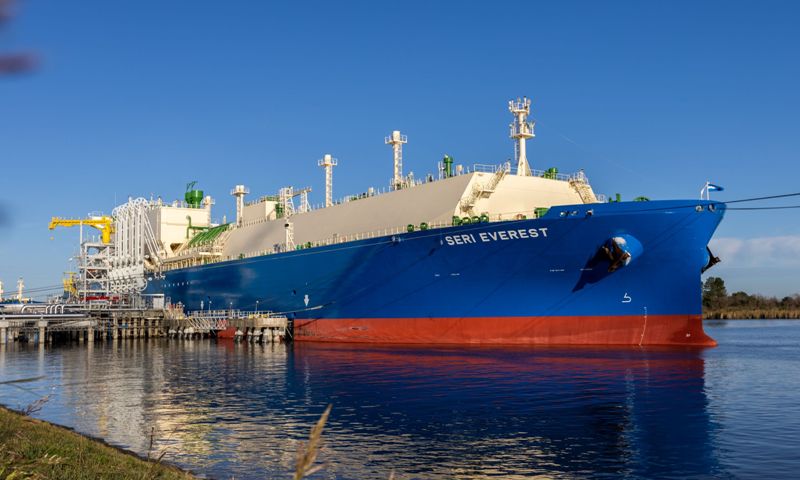
MISC Berhad has signed shipbuilding contracts for two additional liquefied natural gas (LNG) carriers, further strengthening its position in the global gas shipping market.
The newbuild vessels, which will feature advanced fuel-efficient propulsion systems and modern cargo containment technology, are expected to enhance MISC’s capacity to serve long-term LNG transportation contracts. Delivery timelines and financial details were not immediately disclosed.
Industry sources indicated that the orders reflect sustained demand for LNG tonnage as energy transition efforts and supply diversification drive higher seaborne gas trade volumes. The vessels are likely to be deployed on charter agreements supporting major LNG producers and buyers across Asia and Europe.
MISC said the expansion aligns with its strategy to modernise its fleet while maintaining operational efficiency and environmental performance. The company has been actively renewing older tonnage with technologically advanced ships capable of meeting evolving emissions standards.
Analysts noted that LNG carrier demand remains robust amid growing global reliance on natural gas, particularly as countries seek stable energy supplies in a volatile geopolitical climate.
With the latest contracts, MISC’s LNG orderbook expands further, reinforcing its long-term commitment to the gas shipping segment and its role in supporting global energy supply chains.