
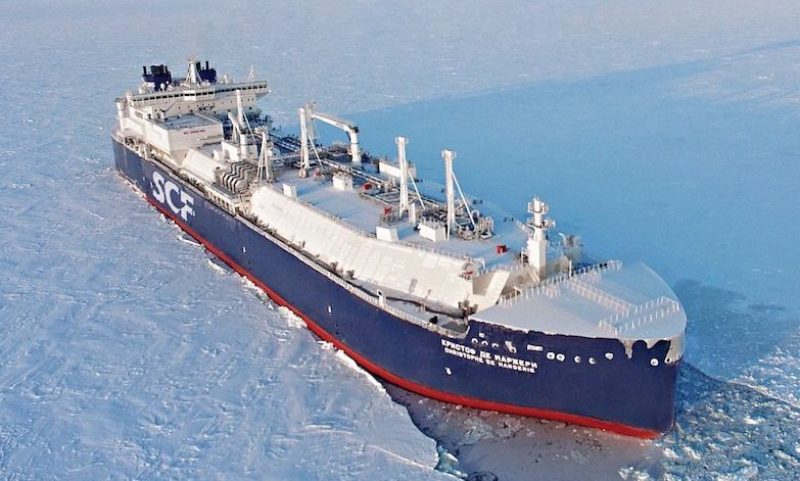
China will launch the China–Europe Arctic Express on September 20, 2025 marking the first regular container shipping route between Asia and Europe through the Northern Sea Route. Operated by Haijie Shipping Company, the service will cut transit time to just 18 days, almost half the time taken through the traditional Suez Canal route.
The service will link Chinese ports with key European destinations, including the UK, Netherlands, Germany and Poland. The first voyage is already fully booked, reflecting strong demand for faster movement of goods between Asia and Europe.
For now, the service will operate seasonally due to Arctic ice conditions. However, China plans to run the route throughout the year by 2030 using specialised vessels capable of navigating icy waters.
The move highlights China’s strategic interest in the Arctic as a faster alternative trade corridor. It also raises environmental concerns and faces infrastructure and geopolitical challenges, which could affect wider adoption.
India, along with Japan, has its own Arctic policy and has shown interest in natural resource extraction, energy supplies and new shipping routes. The launch of the Arctic Express adds to the growing competition among non-Arctic states seeking opportunities in the region.