
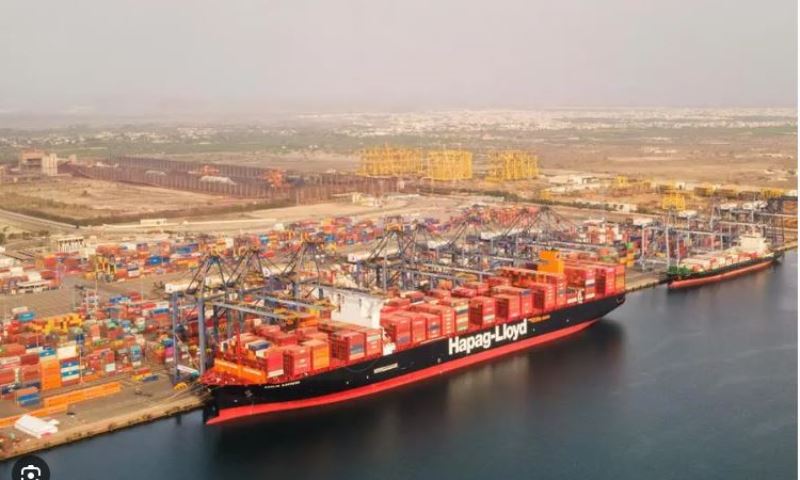
German container shipping major Hapag-Lloyd has announced a new equipment surcharge for shipments involving Vietnam, adding to the cost of container transportation for exporters and importers using its services.
The surcharge is intended to address additional equipment-related costs and operational requirements associated with container availability and repositioning in the Vietnamese market.
The move comes amid continuing challenges in managing container equipment across major Asian trade routes, where imbalances in import and export flows can create additional costs for shipping lines.
Impact on Shippers and Freight Forwarders
The additional charge will affect customers booking shipments covered by the revised tariff. Exporters, importers and freight forwarders have been advised to take the surcharge into account when calculating their overall transportation costs and negotiating freight contracts.
Equipment surcharges are generally introduced by carriers to recover expenses associated with container positioning, availability and the management of empty equipment across different locations.
Vietnam has emerged as an important manufacturing and export centre in Asia, generating substantial container traffic across global shipping networks. Strong export demand for electronics, textiles, footwear, furniture and other manufactured products has increased the importance of maintaining adequate container availability at Vietnamese ports.
Shipping Cost Implications
The introduction of the surcharge highlights the operational challenges faced by container shipping lines in balancing equipment supply with changing cargo demand across regional markets.
For logistics providers and cargo owners, the additional charge could increase shipment costs, particularly for businesses operating on tight export margins.
Hapag-Lloyd’s latest tariff adjustment reflects the continuing efforts of global carriers to manage equipment-related expenses while maintaining reliable container services in key Asian markets.