
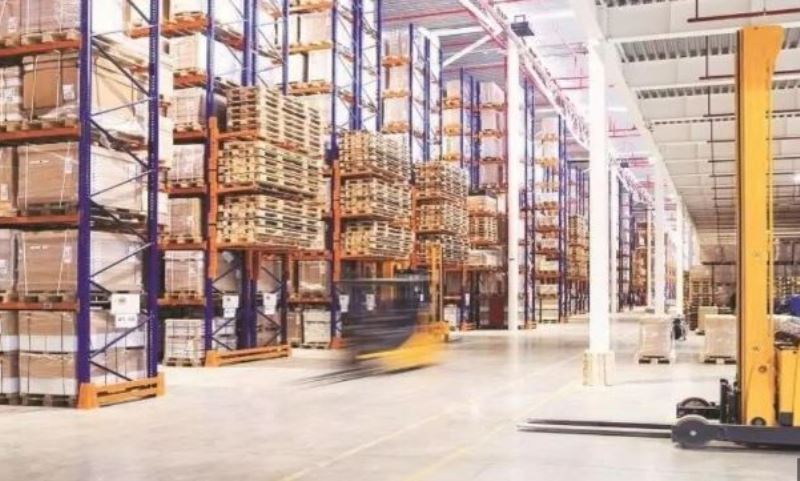
Fourteen tier-2 cities across India are rapidly emerging as strong warehousing markets, signalling a widening of logistics demand beyond traditional tier-1 hubs, according to a recent study by real estate consultancy JLL.
In its latest report, India’s Industrial Real Estate Evolution, JLL noted that warehousing demand is increasingly spreading to what it terms “tier-2+” cities. These include Chhatrapati Sambhajinagar (Aurangabad), Indore, Nagpur and Nashik in the west; Coimbatore, Kochi and Visakhapatnam in the south; Chandigarh-Rajpura, Jaipur, Lucknow and Ludhiana in the north; and Bhubaneswar-Cuttack, Guwahati and Patna in the east.
The report said India’s warehousing stock crossed 610 million sq ft in 2025, reflecting growing geographic diversification beyond the top eight tier-1 cities. The 14 tier-2+ locations together account for around 112 million sq ft of stock, with Grade-A facilities making up about 33 per cent.
Among the emerging markets, Chandigarh-Rajpura leads with 15.4 million sq ft of warehousing stock, followed by Nagpur at 13.7 million sq ft. Lucknow and Kochi follow closely with 10.9 million sq ft and 10.6 million sq ft, respectively.
While highlighting the rapid catch-up by tier-2 cities, JLL said India’s warehousing and logistics sector is on the “brink of a significant overhaul”. With the industry now expanding well beyond metro centres, the country’s target of reaching 850 million sq ft of warehousing stock by 2030 appears increasingly achievable.