
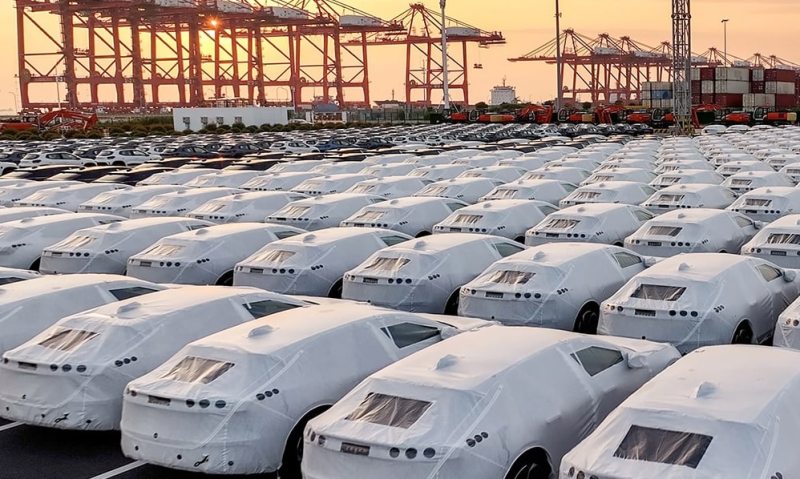
Shipments of around 2,000 vehicles produced by Hyundai Motor India have been delayed after escalating tensions in West Asia disrupted maritime logistics for cargo bound to Gulf markets.
According to industry sources, the vehicles were scheduled to be shipped from Indian ports to destinations across the Gulf region. However, shipping disruptions linked to the ongoing geopolitical crisis have affected vessel schedules and port operations, delaying the movement of the cargo.
The Gulf region is a key export market for Hyundai’s India operations, which regularly ships passenger vehicles to countries in the Middle East. The delays come as shipping companies adjust routes and operations amid heightened security concerns around critical maritime corridors such as the Strait of Hormuz.
Exporters and logistics providers say the crisis has created uncertainty for cargo movement across the region, with higher freight costs, war-risk insurance premiums and possible rerouting of vessels affecting schedules.
Industry observers note that while the delay is expected to be temporary, prolonged disruptions in Gulf shipping routes could impact automobile exports from India, particularly for manufacturers that rely heavily on Middle East markets.