
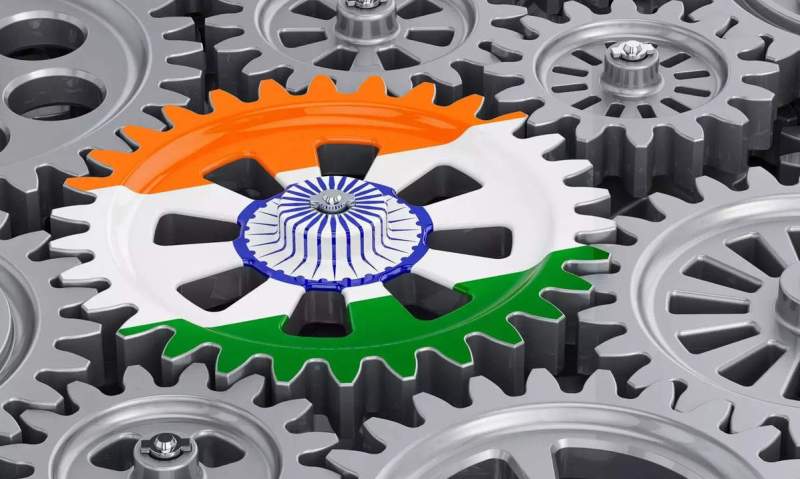
India’s accelerating manufacturing growth is reshaping the country’s export logistics strategy, prompting a shift toward more integrated, efficient, and globally competitive supply chain networks.
Driven by government initiatives such as the Production Linked Incentive (PLI) schemes and the “Make in India” push, manufacturing output has expanded across key sectors including electronics, automotive, pharmaceuticals, and textiles. This surge in production is placing new demands on logistics infrastructure, requiring faster turnaround times, multimodal connectivity, and improved port efficiency.
Exporters are increasingly moving away from traditional logistics models toward more agile and technology-driven solutions. The focus is now on end-to-end supply chain optimization, including better warehousing, digitized tracking systems, and streamlined customs processes. The adoption of dedicated freight corridors and expansion of inland container depots are also playing a crucial role in supporting rising export volumes.
Ports across the country are witnessing higher container throughput, leading to investments in capacity expansion, mechanization, and digital platforms to reduce dwell times. Additionally, the development of logistics parks and improved road and rail connectivity is helping bridge the gap between manufacturing hubs and export gateways.
Private sector participation has also intensified, with logistics firms investing in advanced technologies such as AI-driven route optimization and real-time cargo visibility. These innovations are helping exporters reduce costs and improve reliability in an increasingly competitive global market.
However, challenges remain, including infrastructure bottlenecks, regulatory complexities, and exposure to global supply chain disruptions. Industry experts emphasize the need for continued policy support, infrastructure investment, and coordination among stakeholders to sustain momentum.
As India positions itself as a global manufacturing hub, the transformation of its export logistics ecosystem will be critical in ensuring long-term competitiveness and seamless integration into global trade networks.