
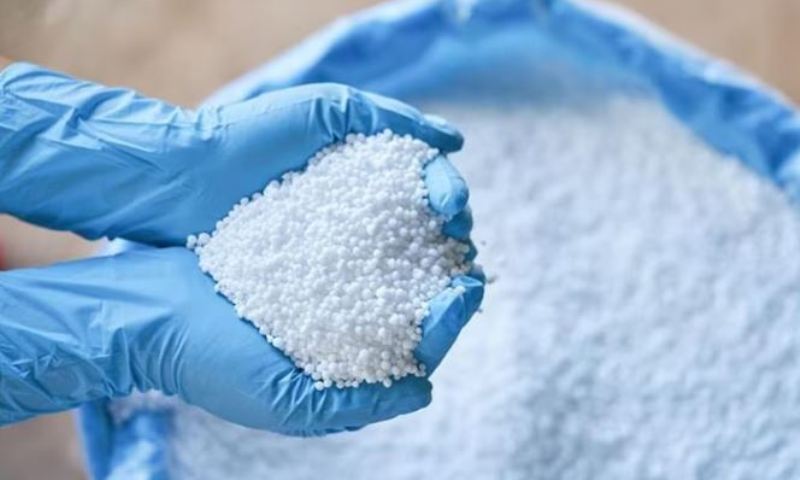
India is moving to secure up to 2.5 million tonnes of urea from global markets as supply disruptions in West Asia tighten availability and raise concerns over fertilizer security ahead of the upcoming agricultural season.
The move comes amid ongoing geopolitical tensions and logistical bottlenecks in key exporting regions, which have constrained shipments and driven volatility in international prices. West Asia, a major supplier of urea to India, has seen output and export flows impacted, prompting New Delhi to diversify sourcing strategies.
Government agencies are expected to float fresh tenders to bridge the supply gap, with traders anticipating participation from suppliers in regions such as North Africa, Southeast Asia, and Eastern Europe. The imports are aimed at stabilizing domestic availability and preventing price spikes that could affect farmers during peak sowing periods.
India, one of the world’s largest consumers of urea, relies heavily on imports to meet its fertilizer demand despite substantial domestic production. Officials are closely monitoring global market trends to ensure timely procurement and maintain buffer stocks.
The development underscores India’s continued vulnerability to external supply shocks in critical agricultural inputs, even as it works to boost self-reliance in fertilizer production.