
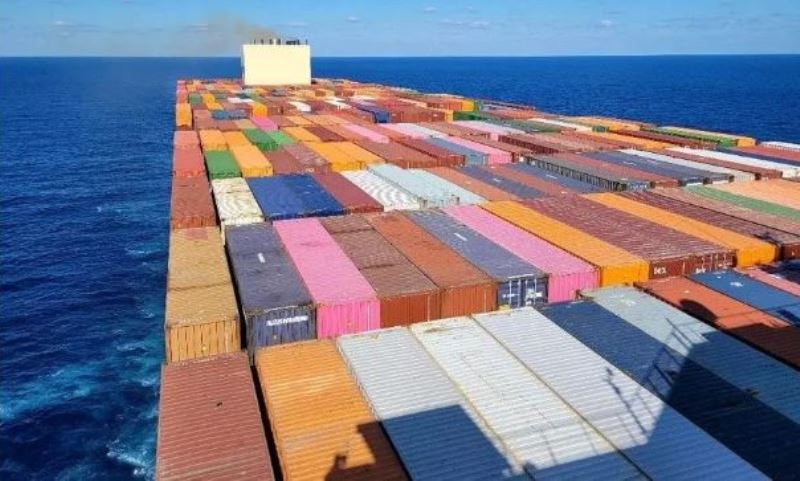
The launch of new liner services between India and Africa is expected to strengthen trade connectivity, improve supply chain efficiency, and support the rapidly expanding trade relationship between the two regions. The additional services provide exporters and importers with more frequent sailings, wider port coverage, and shorter transit times, enhancing the movement of goods across the India–Africa corridor.
The expanded shipping network comes amid growing bilateral trade driven by rising demand for engineering goods, pharmaceuticals, agricultural products, chemicals, textiles, automobiles, and consumer goods. Indian exporters are also increasing shipments of machinery, processed foods, and manufactured products to African markets, while imports of minerals, metals, energy products, and agricultural commodities continue to grow.
The new maritime services are expected to reduce logistics bottlenecks by offering greater schedule reliability and increased container capacity. Improved connectivity will enable businesses to optimize inventory management, lower transportation costs, and access emerging markets across East, West, and Southern Africa more efficiently.
Industry stakeholders view the additional liner services as an important step toward strengthening commercial ties between India and Africa. Enhanced maritime connectivity is expected to facilitate higher trade volumes, support regional economic integration, and create new opportunities for shipping lines, logistics providers, exporters, and importers as trade between the two regions continues to expand.