
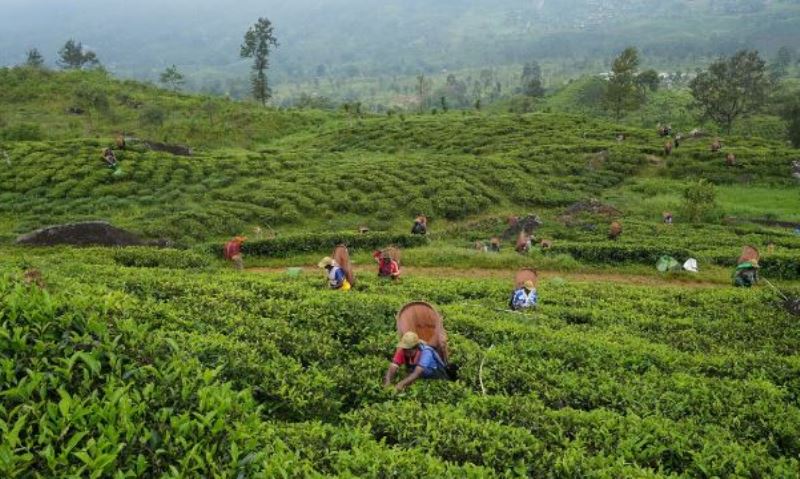
Tea exports to India through the Kakarbhitta land customs point have witnessed a significant decline, reflecting weaker cross-border demand and growing challenges facing Nepal’s tea industry. Traders and exporters attribute the slowdown to lower purchase orders from Indian buyers, increased competition, and fluctuations in market prices.
According to customs officials, export volumes through the Kakarbhitta trade route have dropped compared with the same period last year, affecting both orthodox and CTC tea shipments. Kakarbhitta, one of Nepal’s key border gateways for tea exports, serves as an important link for supplying tea to India’s eastern states and other regional markets.
Industry representatives say the decline has been driven by multiple factors, including abundant tea production in India, softer domestic demand, and pricing pressures that have reduced the competitiveness of Nepali tea. Exporters have also highlighted logistical bottlenecks and evolving trade procedures as additional hurdles impacting cross-border shipments.
The fall in exports has raised concerns among tea growers and processors in eastern Nepal, where the sector supports thousands of farmers and workers. Lower export volumes could affect factory operations, farmgate prices, and incomes during the current harvesting season if demand does not recover.
Despite the recent slowdown, exporters remain optimistic that shipments will improve in the coming months with stronger festive-season demand and continued efforts to promote premium Nepali tea in India and other international markets. Industry bodies have urged both governments to facilitate smoother border trade and strengthen bilateral cooperation to support the tea sector’s long-term growth.