
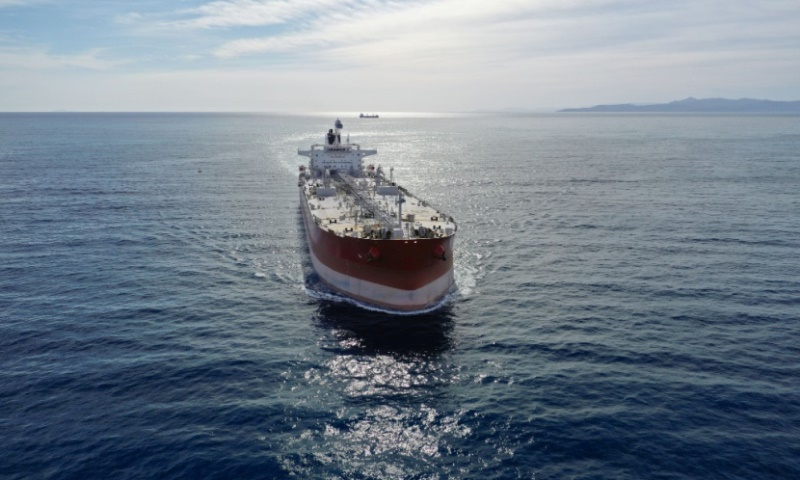
Global tanker freight rates are coming under renewed upward pressure as escalating geopolitical tensions disrupt oil flows and raise risks around key shipping routes.
The latest surge follows a sharp increase in attacks on oil tankers in and around the Gulf, with growing concerns over disruptions to crude exports through the Strait of Hormuz and other critical energy corridors. Brent crude rose more than 5% on September 10 to $106.60 a barrel, while US crude crossed $100, reflecting heightened fears over supply disruptions.
The shipping market is being affected on several fronts. Tanker operators face higher operational and security risks, while restrictions on vessel movements are forcing owners and charterers to reassess routes, cargo commitments and insurance exposure. Any prolonged reduction in Gulf tanker traffic could further tighten available tonnage and push freight costs higher.
The situation has also spread beyond Hormuz. Renewed attacks linked to Iran-aligned forces around the Red Sea and Saudi Arabia have increased concerns that disruptions could affect multiple energy export routes simultaneously.
Iran has meanwhile temporarily suspended a 10% freight charge on foreign vessels carrying oil, gas and petroleum products to or from the country. The move is intended to reduce transportation costs and encourage foreign shipping companies to resume energy-related trade with Iran amid sharply reduced maritime exports.
For tanker owners, the combination of security threats, rerouting requirements, elevated insurance costs and uncertain cargo flows is creating a highly volatile freight environment. Charterers are also facing greater uncertainty over voyage duration and the availability of suitable vessels.
The developments could have wider consequences for global supply chains if high tanker rates persist. Higher transportation costs would add to already elevated energy prices and could feed into fuel, manufacturing and logistics costs worldwide.
With geopolitical tensions showing little sign of easing, the tanker market is likely to remain highly sensitive to developments around Hormuz, the Red Sea and major Gulf oil-exporting facilities.