
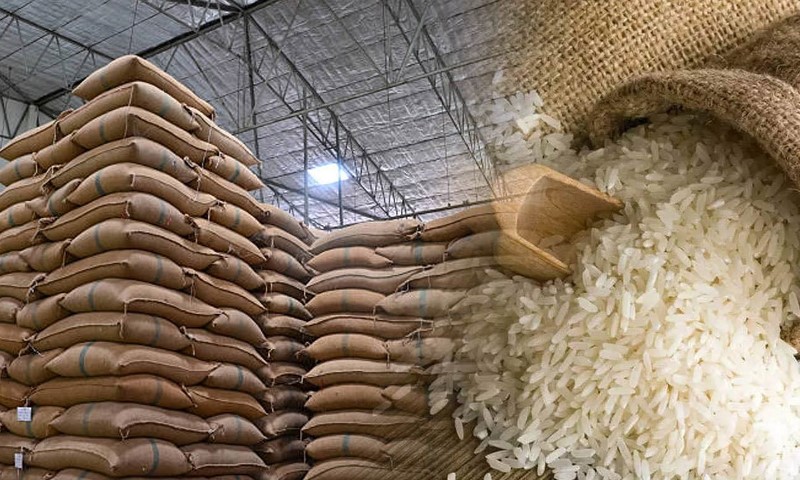
India’s rice exports to 26 priority overseas markets have moved above their three-year average, indicating stronger demand for Indian rice across several important destinations.
According to the Indian Rice Exporters Federation (IREF), export performance across these markets has strengthened, with shipments showing an improvement compared with the average levels recorded over the previous three years.
The development comes as India continues to remain a major supplier in the global rice trade. Indian exporters serve a wide range of markets with both basmati and non-basmati varieties, catering to demand from Asia, Africa, the Middle East and other regions.
Higher shipments to priority markets could provide support to India’s agricultural export sector and benefit farmers, millers, traders and logistics operators involved in the rice supply chain.
Exporters are also monitoring international prices, crop availability, freight costs and trade policies in destination countries, all of which influence the competitiveness of Indian rice in global markets.
The stronger performance across the 26 markets highlights the continued importance of market diversification for India’s rice export industry. Expanding shipments to established and emerging destinations can help exporters reduce dependence on individual markets and build a broader overseas customer base.
With global food demand remaining significant, sustained export growth will depend on India’s ability to maintain competitive pricing, consistent quality and reliable supply.
The latest IREF assessment indicates that India’s rice exports to key international markets are maintaining positive momentum, strengthening the country’s position in the global rice trade.