
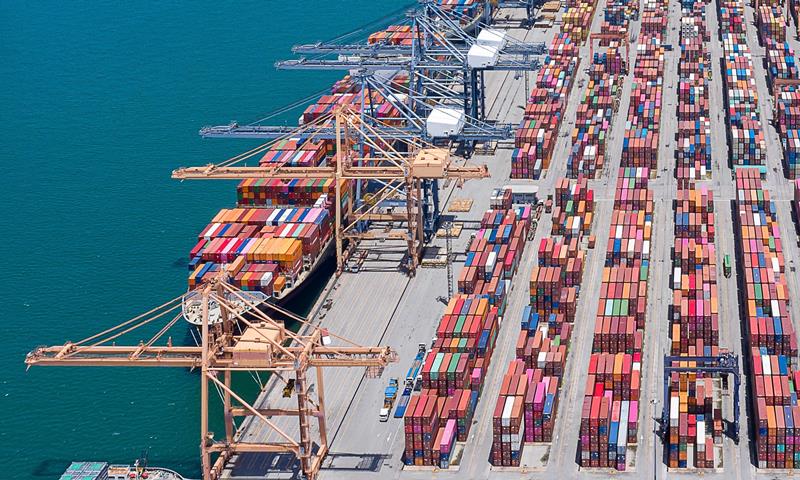
Japan’s major ports recorded a 7.4% increase in container traffic, highlighting stronger containerised trade activity and continued demand for maritime logistics services across the country.
The growth reflects higher movement of goods through Japan’s key container gateways, which play an important role in supporting the country’s manufacturing and international trade. Major ports handle a wide range of cargo, including automotive products, machinery, electronics, industrial components and consumer goods.
Japan’s port network is closely integrated with global supply chains, linking manufacturers and exporters with markets across Asia, North America, Europe and other regions. An increase in container volumes therefore provides an indication of stronger cargo flows through the country’s maritime gateways.
The rise in traffic also has implications for shipping lines and terminal operators. Higher volumes can improve vessel and terminal utilisation while supporting demand for related services such as container handling, inland transportation, warehousing and freight forwarding.
Japan’s automobile and manufacturing sectors remain important contributors to containerised trade. Efficient port operations are particularly significant for industries that depend on the timely movement of components and finished products through international supply chains.
The increase in container traffic comes as shipping networks continue to adjust to changing trade patterns, vessel deployments and global supply-chain conditions. Port operators are consequently focusing on improving terminal productivity and maintaining efficient cargo flows.
Higher container volumes could also support investment in port infrastructure and logistics connectivity as Japan seeks to maintain the competitiveness of its major maritime gateways. Improvements in terminal capacity, digital systems and hinterland connections can help ports manage growing cargo demand more efficiently.
The 7.4% increase underlines the continuing importance of Japan’s major ports to the country’s international trade. Sustained growth in container activity could provide further opportunities for shipping and logistics companies while strengthening connections between Japanese industries and global markets.