
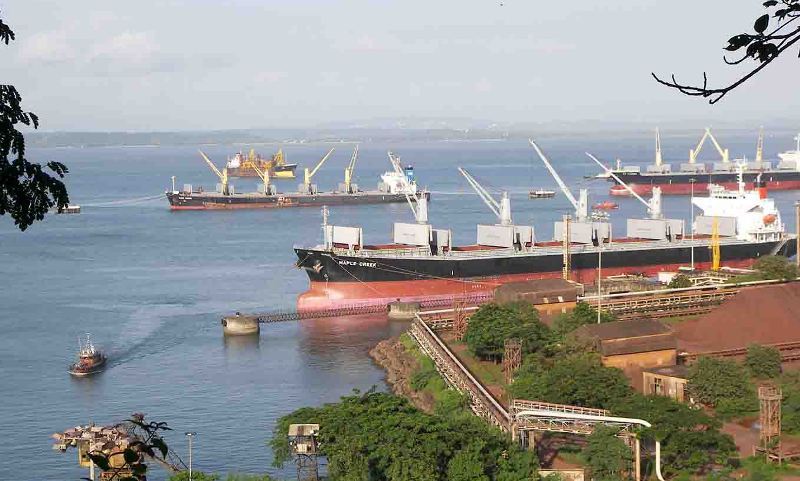
The prolonged Iran-US conflict and disruption to shipping through the Strait of Hormuz have severely affected port-related businesses at Mormugao Port Authority (MPA), leaving cargo operations at Delta Ports’ berths 10 and 11 largely idle for several months. However, reports that Iran has permitted Indian vessels to transit the strategic waterway have raised hopes of a gradual revival in cargo movement and shipping activities.
Delta Ports Mormugao Terminal Private Limited, which operates the two berths at MPA, has been among the major stakeholders affected by the disruption, given its significant dependence on cargo originating from the Middle East. The berths primarily handle commodities such as gypsum, bauxite, muriate of potash (MOP), urea and liquid ammonia, besides other industrial raw materials.
Shipments of these commodities, which traditionally arrived through established shipping routes, have been severely disrupted by the conflict, resulting in prolonged periods without cargo at the facilities.
Delta Ports Vice-President Raghoba Kotkar said the geopolitical situation had significantly impacted port and shipping-related businesses. The disruption had affected not only vessel movements but also the availability and cost of essential raw materials.
The fertiliser sector has also faced considerable pressure, with delays in raw material shipments and a sharp increase in prices amid supply-chain disruptions. The uncertainty has further affected the regular cargo flows that previously sustained operations at the two berths.
Kotkar said reports of restrictions being relaxed for Indian vessels transiting the Strait of Hormuz had generated optimism among port stakeholders. They are hopeful that cargo movements will gradually resume, enabling business activities to return to normal.
For companies operating at Mormugao Port, the restoration of shipping routes is critical not only for resuming vessel calls but also for reviving cargo handling, logistics and associated commercial activities.
While the reported permission for Indian vessels to transit the Strait of Hormuz is an encouraging development, stakeholders will be closely monitoring whether it translates into sustained vessel movements, the resumption of regular cargo schedules and a recovery in port-related business.