
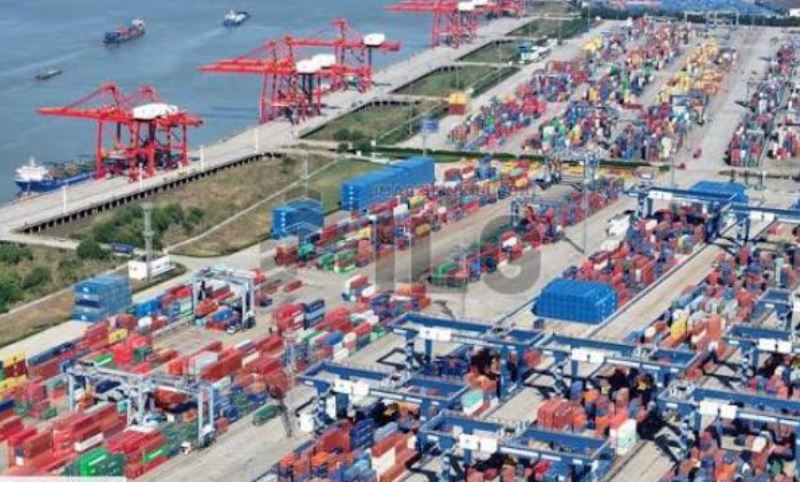
Bangladesh is accelerating efforts to unlock its maritime and port potential through major infrastructure investments, international partnerships and greater private sector participation, as the country seeks to strengthen its position as a regional shipping and logistics hub.
The modernisation drive is centred on Chattogram Port, the country’s principal maritime gateway, which handles approximately 92% of Bangladesh’s seaborne foreign trade. The initiatives aim to improve cargo-handling efficiency, reduce vessel turnaround and container dwell times, and strengthen connectivity with international markets.
A major development is the 15-year concession agreement signed with Dubai-based DP World on October 8, 2026, for the operation and modernisation of the New Mooring Container Terminal (NCT). Under the agreement, DP World will invest more than BDT 1,000 crore over the first 10 years, in addition to an upfront payment of approximately BDT 600 crore. Ownership of the terminal and its core infrastructure will remain with the Chattogram Port Authority.
The terminal currently handles around 44% of Chattogram Port’s container traffic, making its modernisation a significant step towards improving the country’s port capacity and operational performance.
Bangladesh is also attracting investments from other global port operators. Denmark-based APM Terminals is developing the Laldia Container Terminal with an investment of approximately US$550 million. Scheduled for completion by 2030, the facility is expected to add more than 800,000 TEUs of annual container-handling capacity.
Meanwhile, development of the Bay Terminal and Matarbari Deep Sea Port is expected to further expand Bangladesh’s maritime infrastructure, accommodate larger vessels and improve the country’s ability to handle growing international trade volumes.
Digital transformation is another key component of the modernisation strategy. Chattogram Port is introducing integrated terminal operating systems, automated cargo documentation and improved coordination with customs authorities to reduce procedural delays and create a more transparent, paperless logistics environment.
The government is also introducing a regulatory framework for appointing berth, terminal and vessel-handling operators through competitive bidding, creating greater opportunities for international participation while strengthening port authority oversight.
With growing investments, global operating expertise and expanded infrastructure, Bangladesh is positioning its ports to play a stronger role in regional supply chains and international trade. The success of these initiatives will depend on effective implementation, improved operational productivity and the ability to translate infrastructure investments into faster and more reliable cargo movement.