
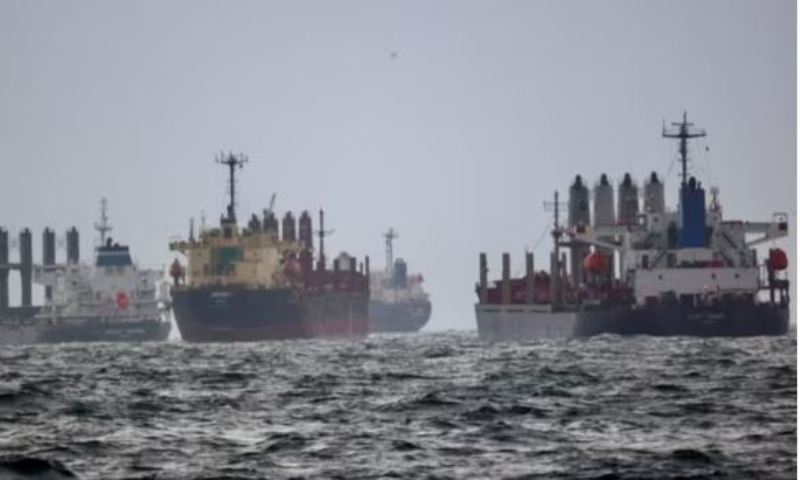
Commercial shipping activity to Ukraine’s Black Sea ports has slowed as intensified Russian missile and drone attacks raise security concerns for shipowners, charterers and insurers. The renewed escalation has prompted many vessels to delay or avoid calls at Ukrainian ports, disrupting cargo movements and increasing uncertainty for regional trade.
The Black Sea remains a vital export corridor for Ukraine, particularly for agricultural commodities, metals and other bulk cargoes destined for global markets. However, heightened security risks have made vessel operators more cautious, with some opting to wait for improved conditions before entering the region.
The increase in hostilities has also led to higher war-risk insurance premiums and operational costs for ships trading in the area. Shipping companies are closely monitoring the evolving security situation and adjusting voyage plans to safeguard crews, vessels and cargoes.
Port operations continue under challenging conditions, but the reduced number of vessel calls is expected to affect export volumes and place additional pressure on supply chains reliant on Black Sea trade. Delays in cargo handling and longer transit planning have become more common as the conflict intensifies.
Industry analysts warn that prolonged disruptions could have wider implications for global commodity markets, particularly grain exports, while underscoring the vulnerability of maritime trade routes in conflict-affected regions. Shipping stakeholders continue to assess risks on a voyage-by-voyage basis as the security situation remains highly volatile.