
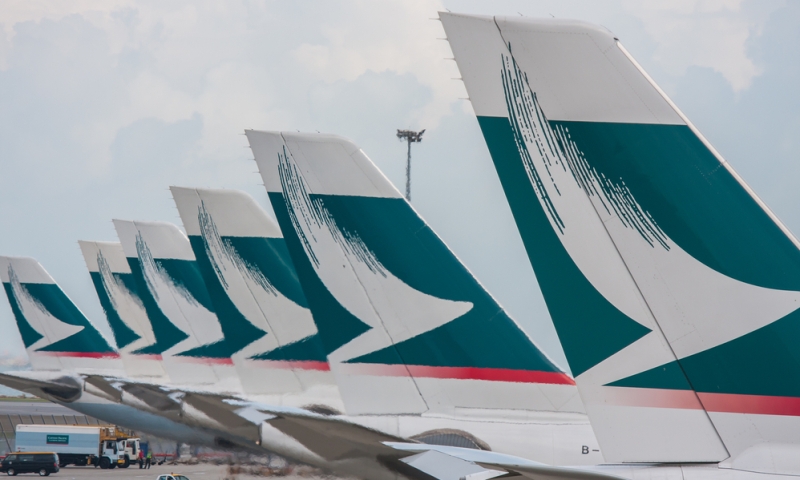
Cathay Cargo has introduced an artificial intelligence (AI)-assisted screening system designed to help identify permit requirements and support compliance with international trade regulations.
The new capability analyses shipment information against applicable trade-control requirements, helping identify potential permit or documentation obligations for imports, exports and transhipments. The system is intended to help detect regulatory requirements earlier in the shipping process and reduce the risk of compliance-related delays.
A key feature is the use of AI-assisted language analysis to interpret descriptions of goods in context, rather than relying only on keyword matching. This can help identify shipments that may require additional checks or permits based on the nature of the commodity, origin and destination.
Cathay Cargo has been expanding its use of AI across cargo operations and compliance. The airline has previously outlined plans for an AI-powered import/export control check to help frontline teams determine whether the appropriate documents are included with shipments.
The carrier already carries out compliance and regulatory checks covering sanctions and import/export controls. Customers are required to provide complete and accurate shipment information, including details of shippers, consignees and commodities. Cargo that does not comply with applicable regulations and Cathay Cargo policies may be rejected.
The latest AI capability is expected to provide frontline teams with clearer information during compliance checks and help customers address documentation requirements earlier. This could be particularly relevant as air cargo shipments increasingly face varying customs, security and trade-control requirements across different markets.
Cathay Cargo has also been using digital tools to provide greater visibility into customs processes. Its ONE Record integration, for example, provides customers with real-time customs clearance status for selected markets, allowing them to see whether shipments are pending assessment, permitted to load or being held for inspection.
The airline said human oversight remains important in the screening process, while shippers continue to be responsible for providing accurate shipment declarations.